WHAT TO SEE IN BULLAS

Our municipality is a territory where historical heritage, deep wine culture, and natural beauty come together. Take the time to explore our ancient sites and protected natural areas, and enjoy our traditions and the stately architecture that so characterizes Bullas.

Natural wonders and protected landscapes

SALTO DEL USERO

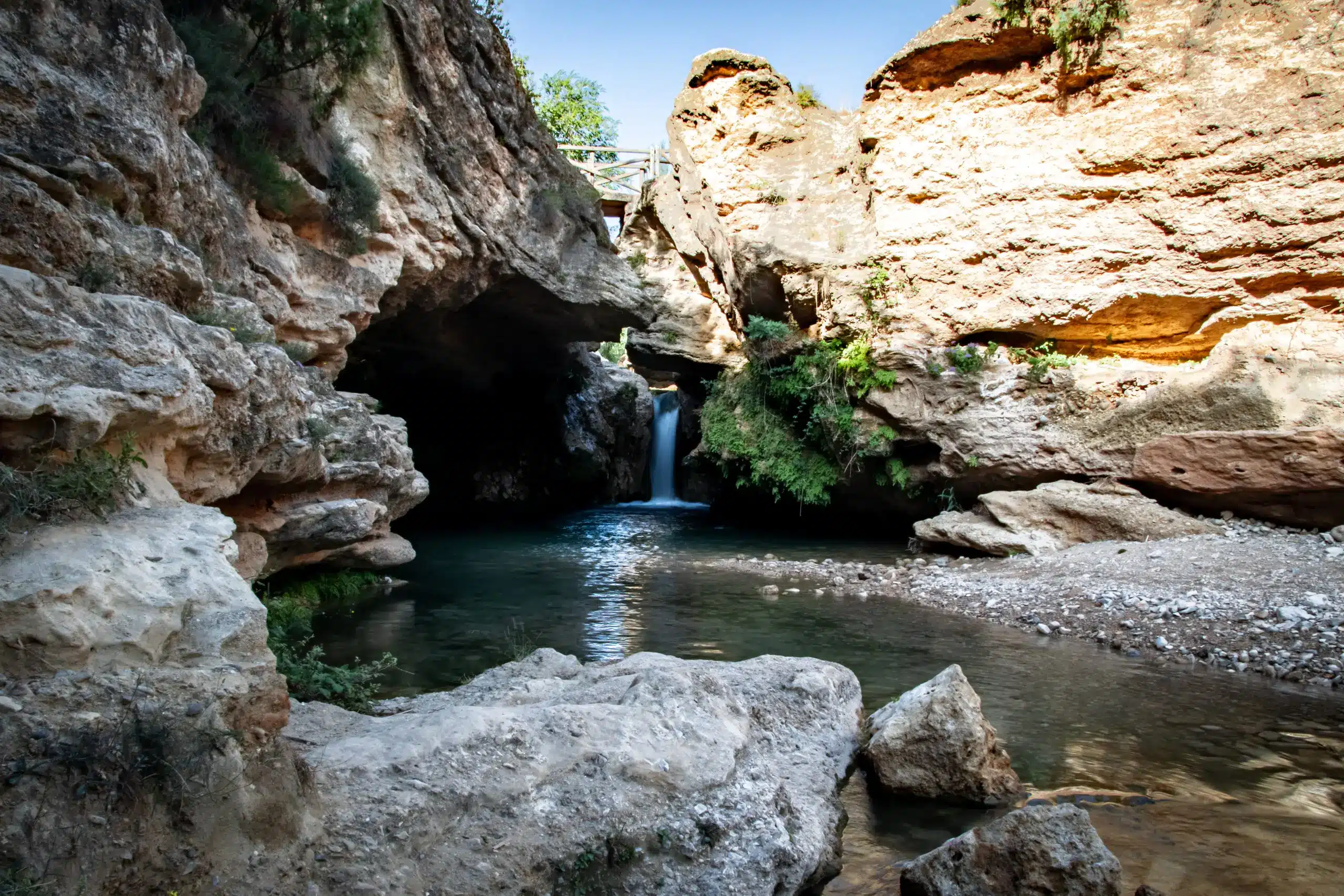
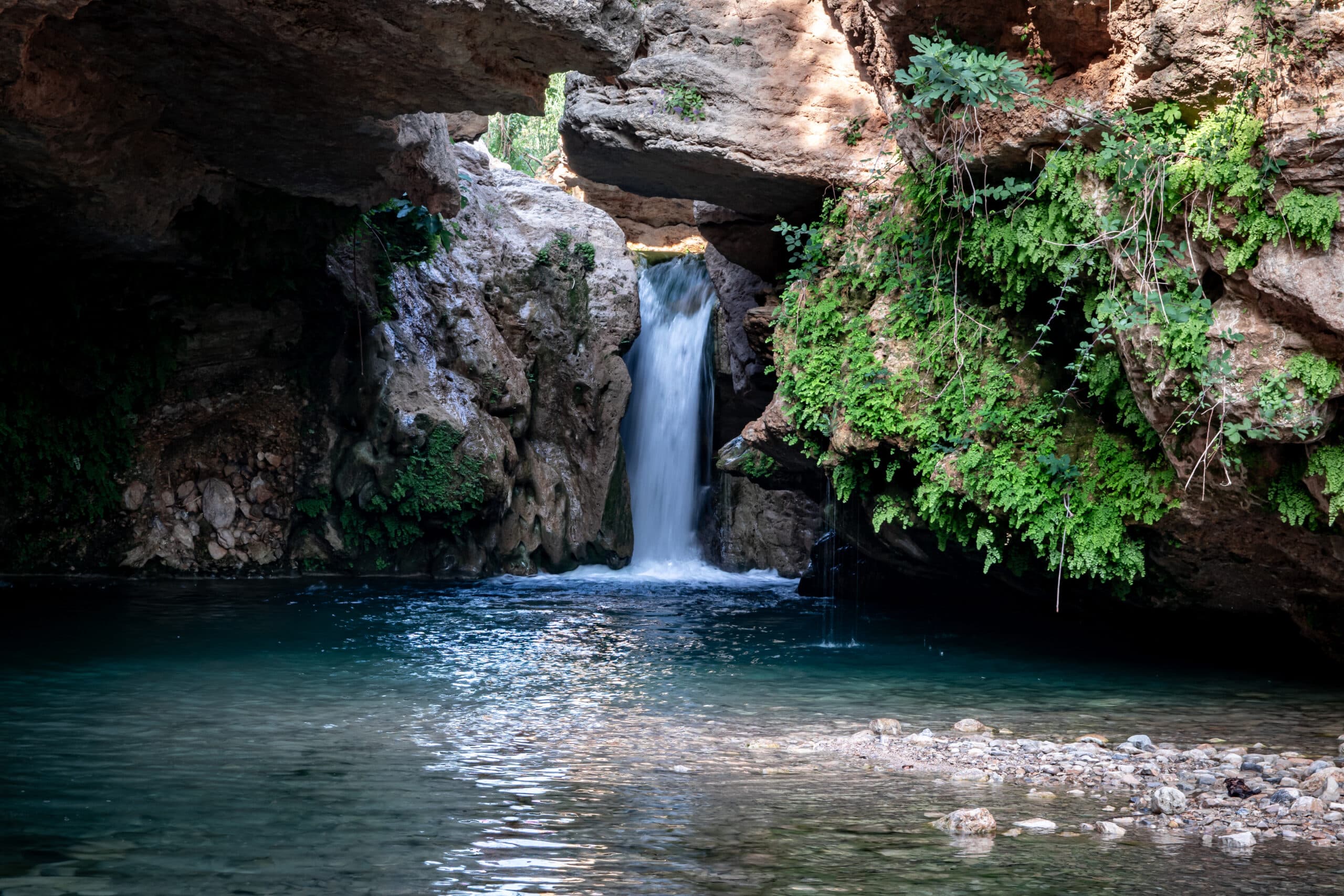
Cataloged as a Site of Geological Interest, the Salto del Usero is located in the Mula River channel, north of the El Castellar hill. It is an area of great scenic beauty with hydrological and geomorphological interest. Erosion has created its peculiar vaulted morphology, where water cascades down several meters, forming a deep pool constantly filled with water, widely used during summer.

Paraje de la Rafa

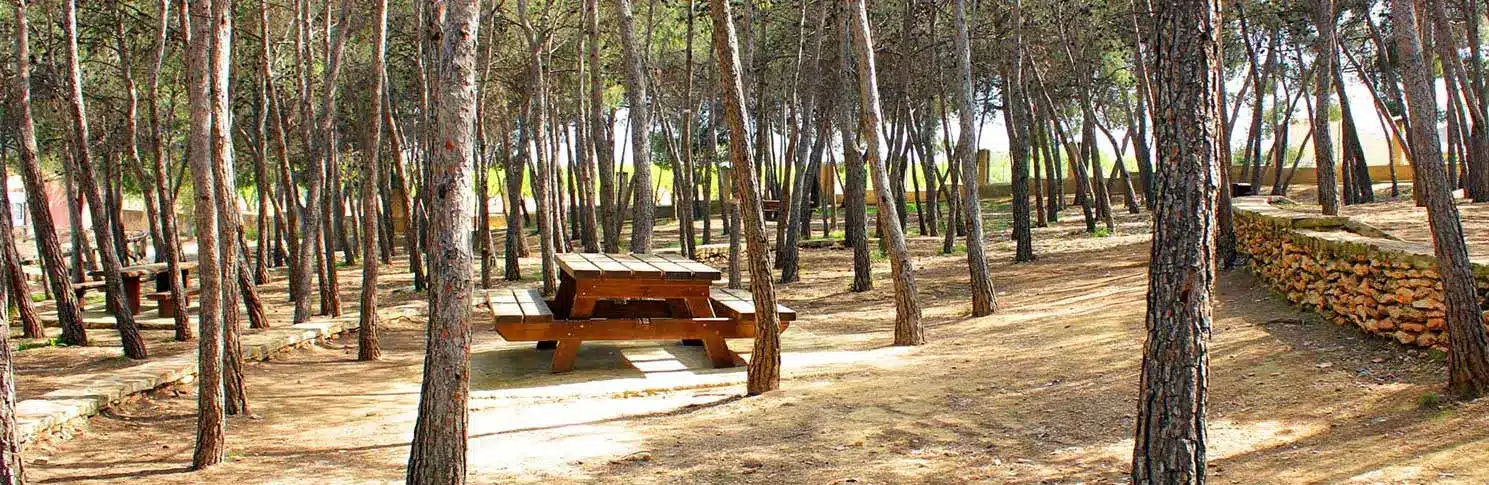
This natural spot becomes the epicenter of the San Marcos Festival held in April. After the massive parade of floats that celebrates agricultural tradition, the area serves as the setting for the traditional picnic and other leisure activities.

Paraje del Portugalés - Venta del Pino

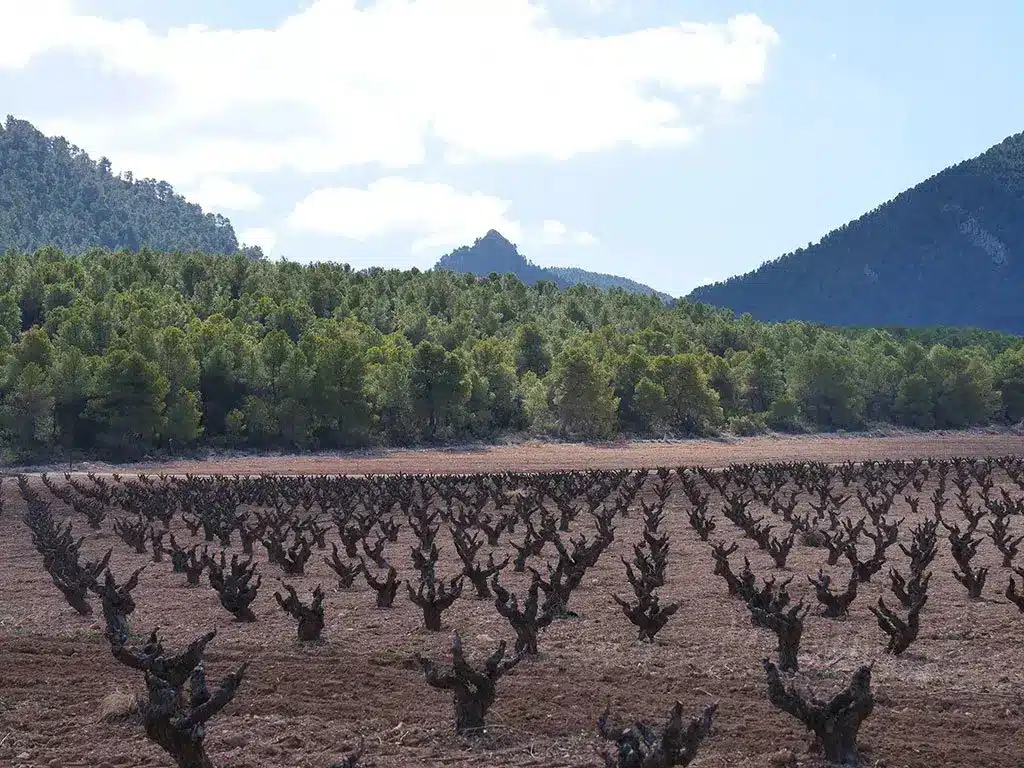
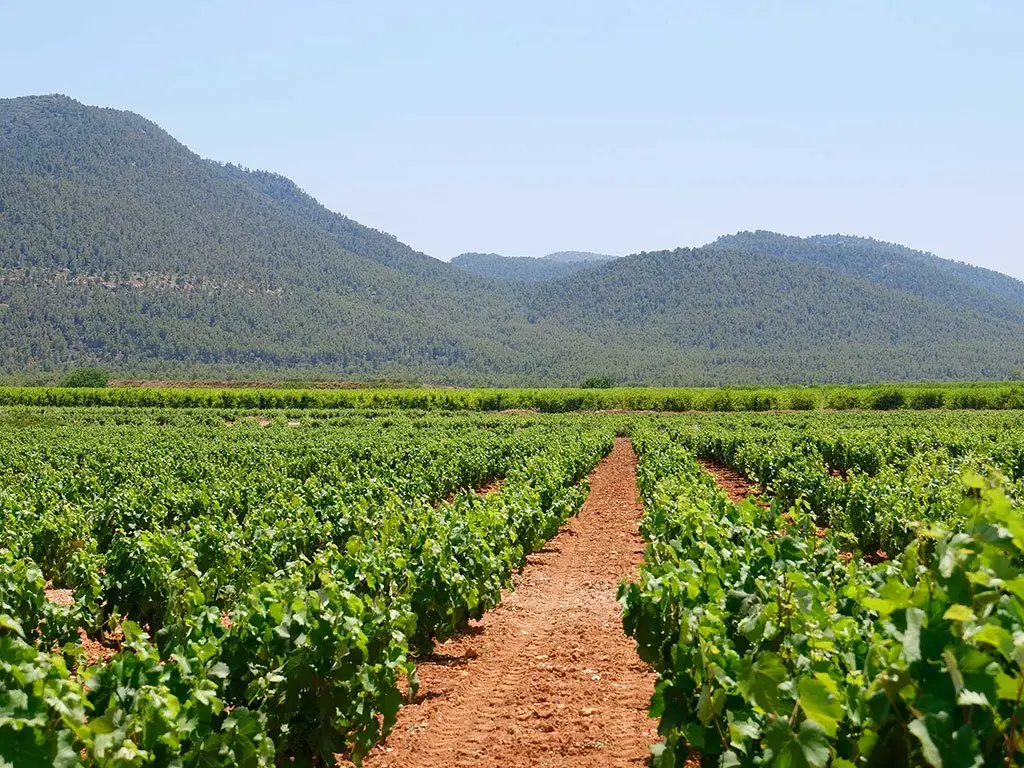
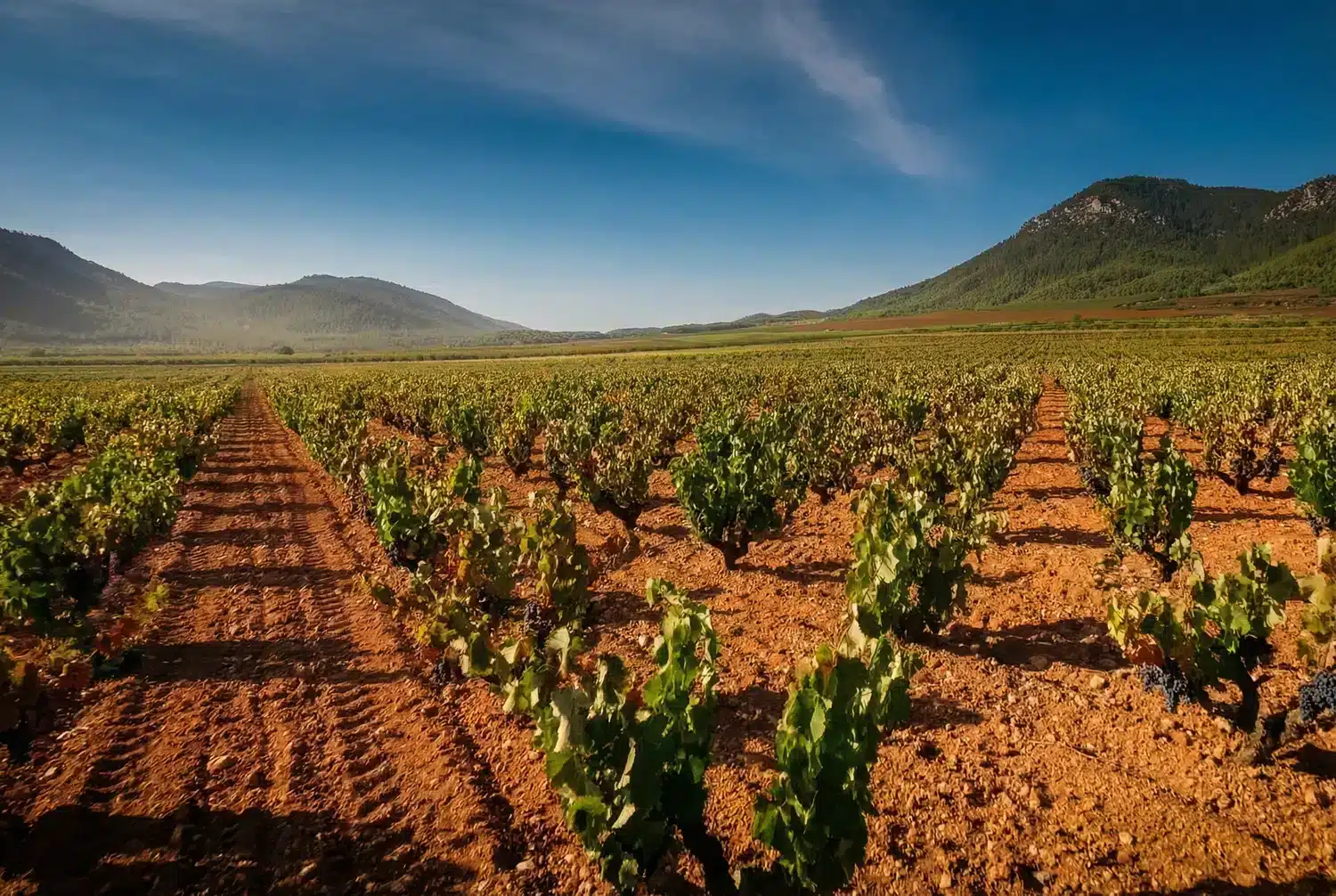
This natural corridor connecting Bullas and Cehegín, where vineyards and typical crops such as almond trees intermingle, offers an impressive view. As we advance, the vine takes on greater prominence, always under the presence of the Lavia peak, which dominates the landscape, with the Venta del Pino at its foot. The land combines tones of calcareous white and red ocher, accentuated by the green of nearby forests.

Rambla de la Regidora

This watercourse is notable for its peculiar narrowing as it passes through the El Cristo area (in El Carrascalejo). This narrowing facilitates a greater water supply through the soil, which encourages the appearance of sub-humid forest species such as Portuguese oaks, elms, ashes, black poplars, and willows.

Aceniche Valley

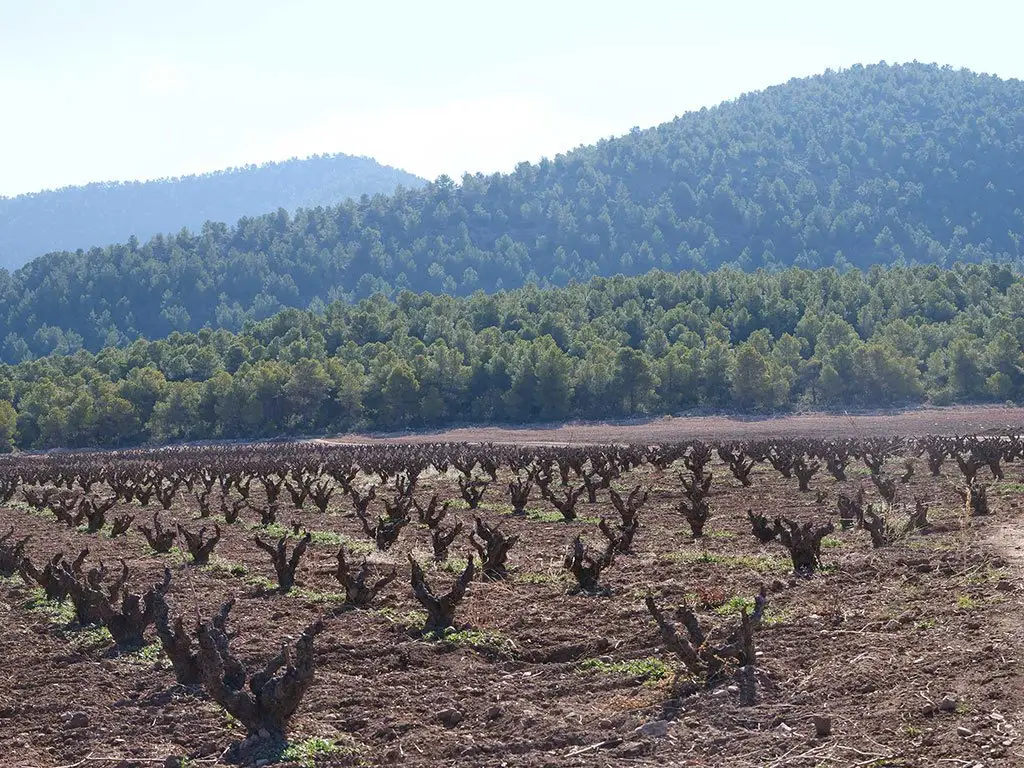
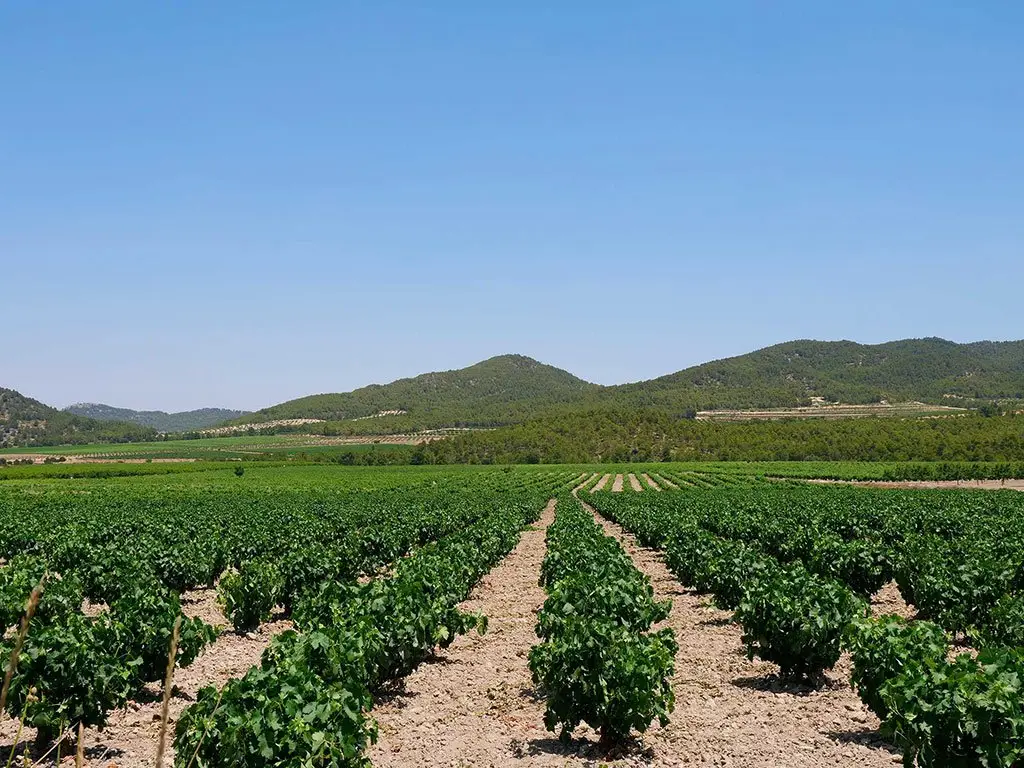
The Aceniche plateau is part of the intramountainous depressions of Bullas. These are areas of gentle relief where traditional dry-land crops dominate, such as vineyards, olive trees, and almond trees, arranged in a mosaic pattern, showcasing the cultural and traditional identity of these lands.

A journey to the heart of local culture

BULLAS WINE MUSEUM

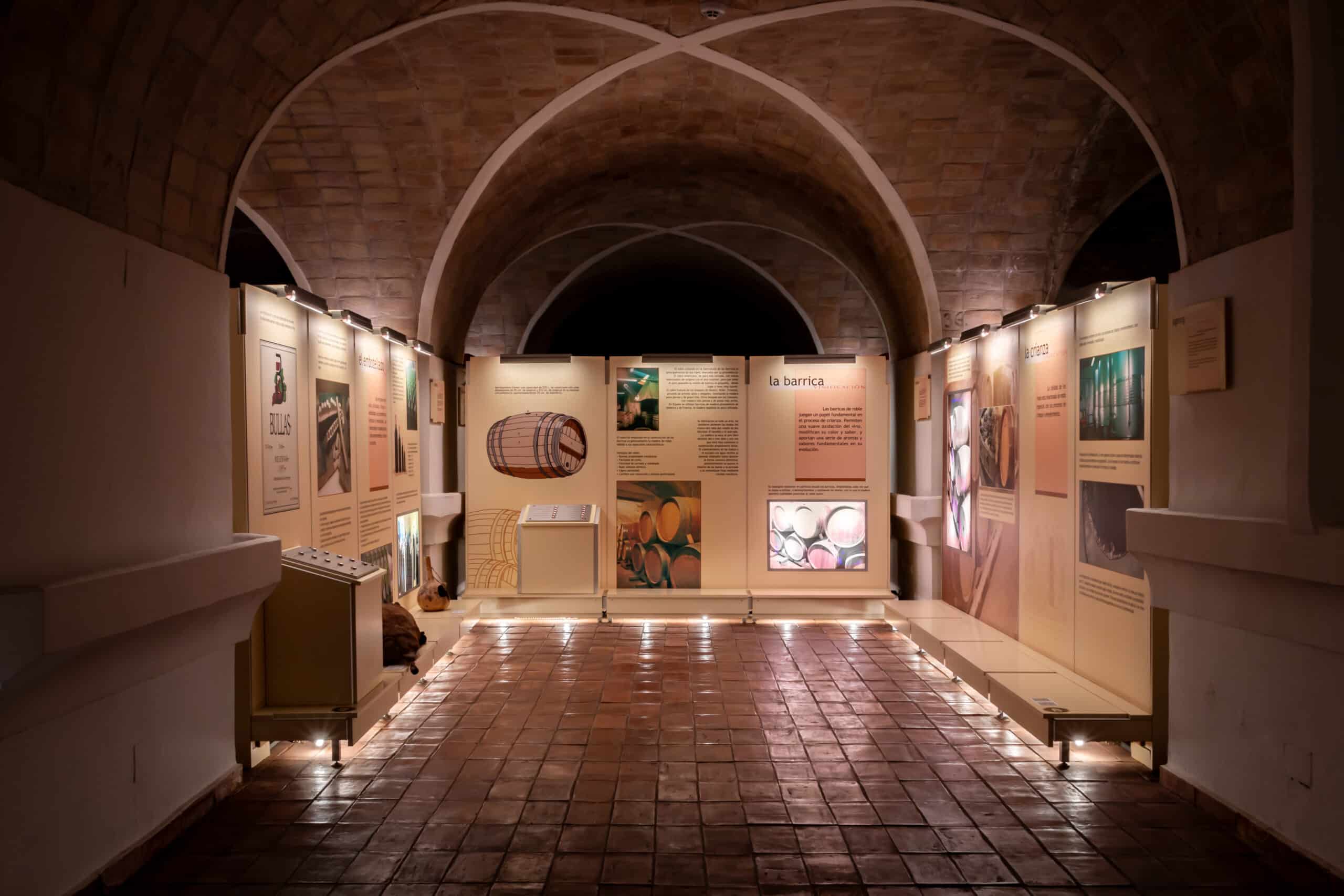
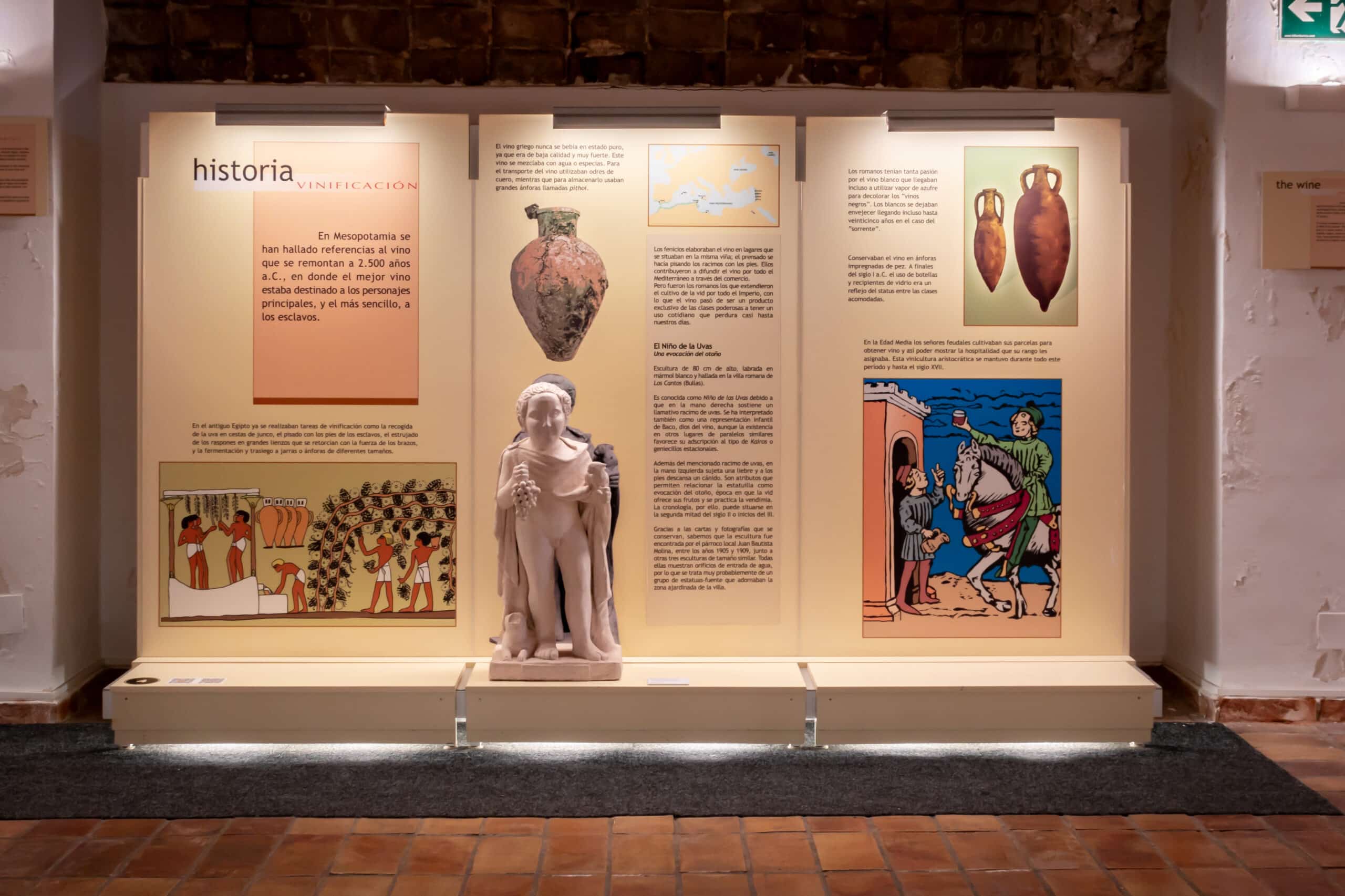
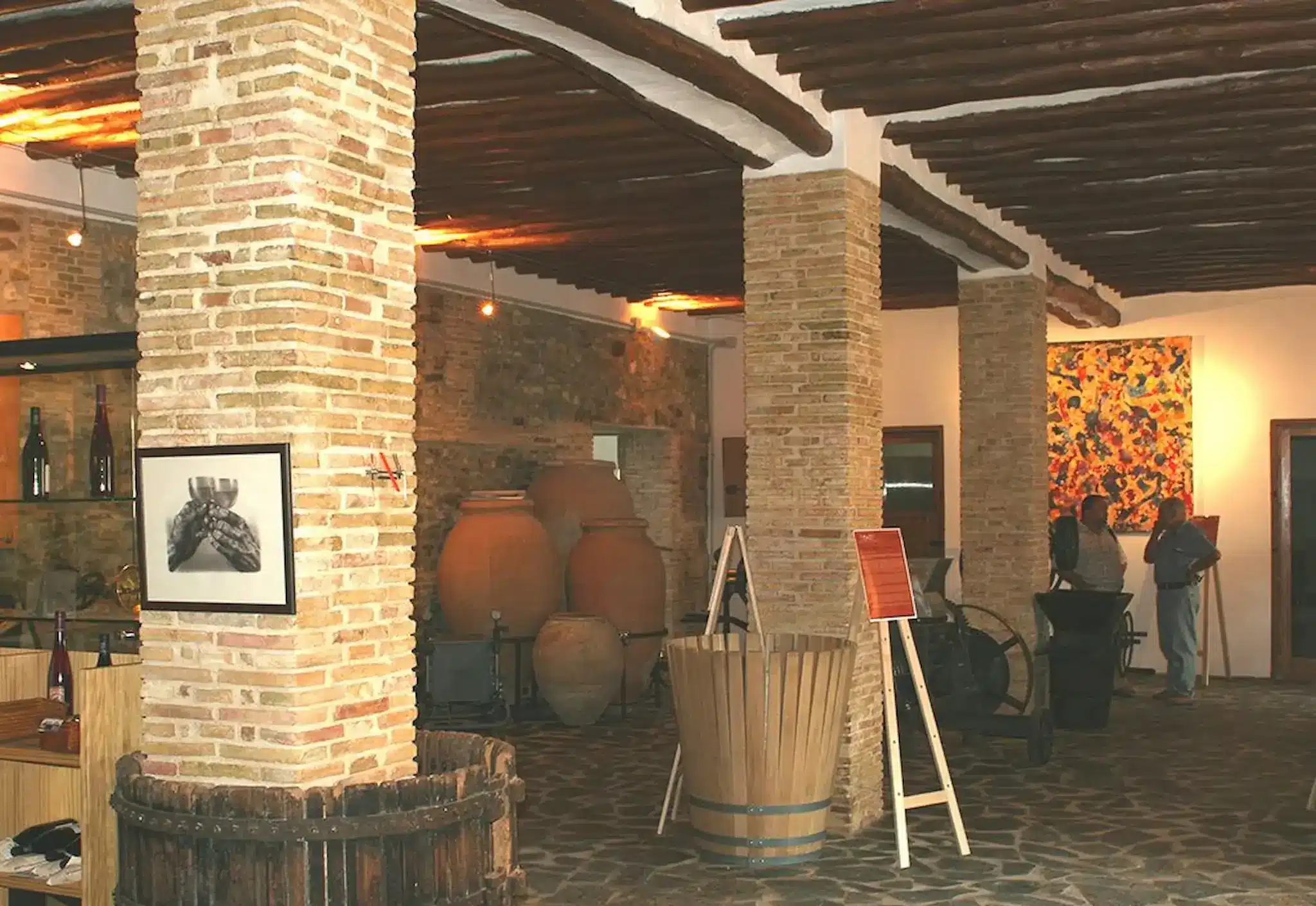
Our Wine Museum is the authentic benchmark and starting point of the Wine Route. It is located in an old 19th-century winery that initially belonged to the Melgares de Aguilar family and was, at the time, one of the largest wineries in the old Kingdom of Murcia. Throughout its rooms, visitors discover the historical relationship of this land with viticulture since Roman times and the wine-making process in its traditional and modern forms.

Don Pepe Marsilla House-Museum

Located behind the parish church, this noble house of the Marsilla Melgares family was remodeled in 1900. Since 2006, it has housed a museum that recreates the lifestyles of the late 19th and early 20th centuries. The building is divided into its residential part (with modernist decoration) and its work area, highlighting its large, perfectly preserved cellar.

El Zacatín Market

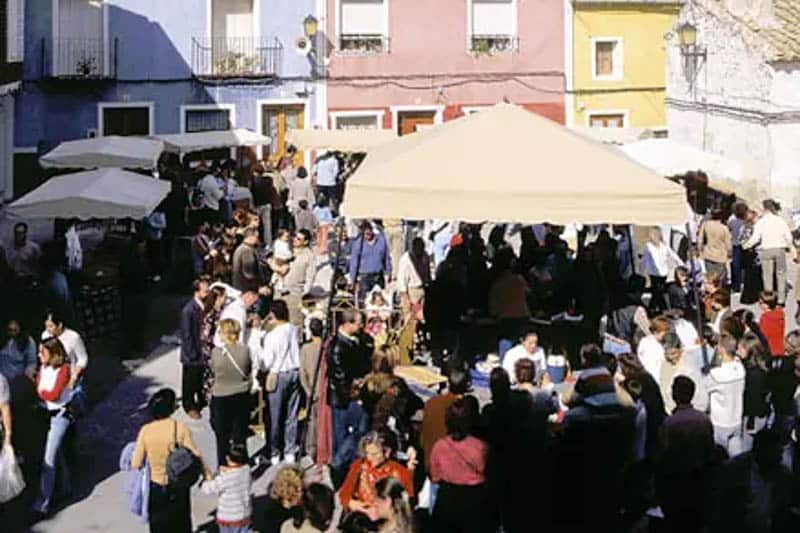
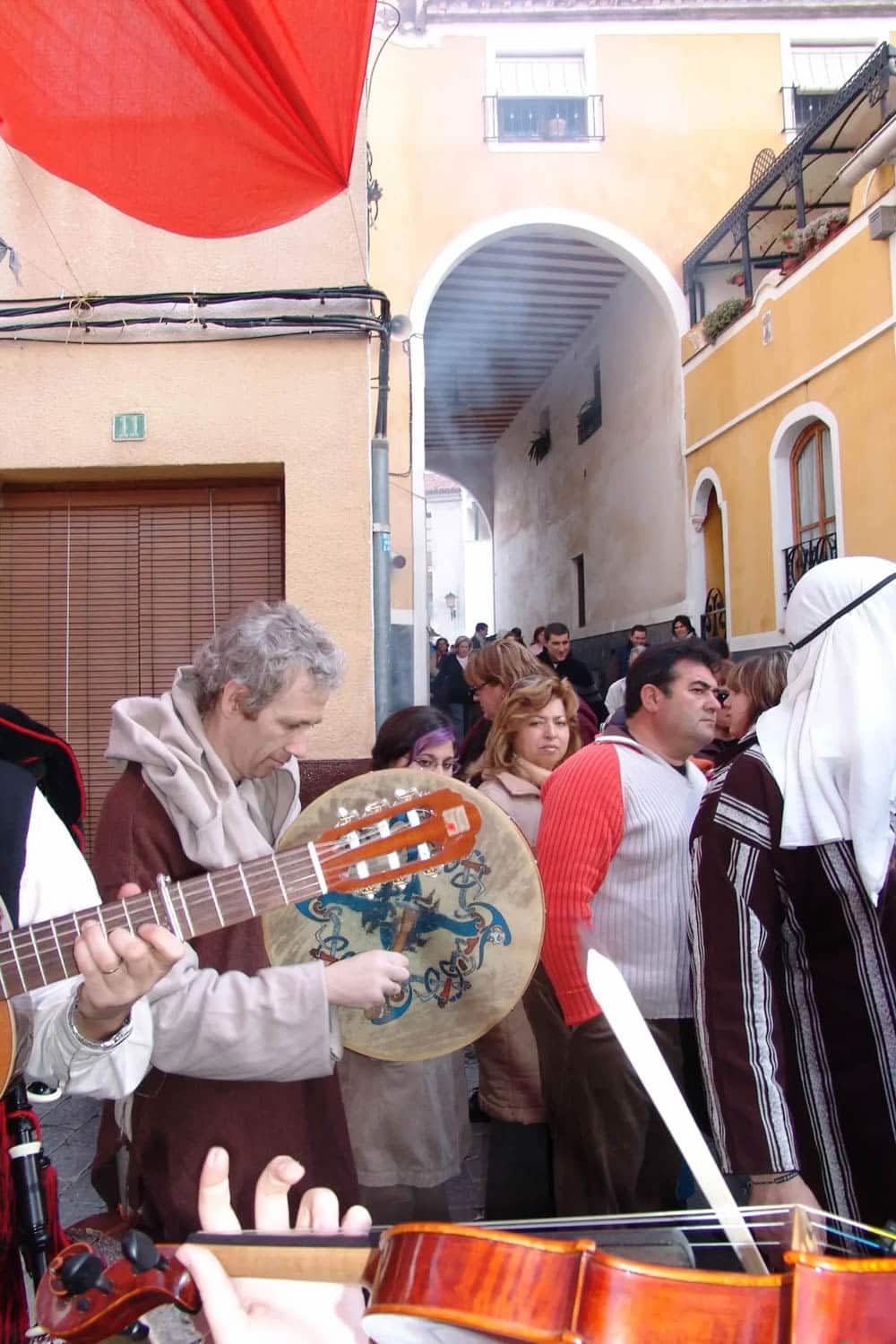
El Zacatín is a fundamental tourist resource, being the pioneer market of these characteristics in the Region of Murcia, and the only one that maintains its activity throughout the year.

Held the first Sunday of each month from 9:00 AM to 2:00 PM, in the picturesque setting of the Plazas Vieja and del Castillo. It offers exhibition and sale of typical products and crafts, as well as artisan demonstrations, tastings, and wine tastings from D.O. Bullas.

Wine Route and Wineries of Bullas

Bodega Balcona

This is a family winery founded in 1998 and located among its own vineyards in the Aceniche Valley—a valley declared of natural landscape interest and an area of high ecological value. It is located 10 kilometers from Bullas. At Balcona they are viticulturists and select their best grapes to produce wines that express their terroir naturally, with minimal intervention in the winery. The estate was purchased in the 1940s by the family’s grandmother: Josefa, nicknamed la Balcona because her house had a balcony. Over the years the family transformed the traditional cereal cultivation into vineyards.

In 1997, after a conference attended by Josep Lluis Pérez Verdú, one of the fathers of Priorat, they decided to start producing long-lived bottled wines, such as their “Partal de Autor 2006,” which still shows perfectly for enjoyment today. In addition to the red wines Mabal, 37 Barricas, and Partal, over the years the productions evolved into organic and natural wines, also expanding the range to white and rosé wines. They have been conducting guided tours of the vineyards and winery since 1998.

In 2007 they opened the tasting room and, since then, have been improving the experience for wine lovers who visit them with other activities, such as the Entreviñedos Dinners under the full moon, held in July and August in collaboration with the restaurants of the Bullas Wine Route. Bodega Balcona is authenticity and honesty in a bottle.

Bodega Hydria

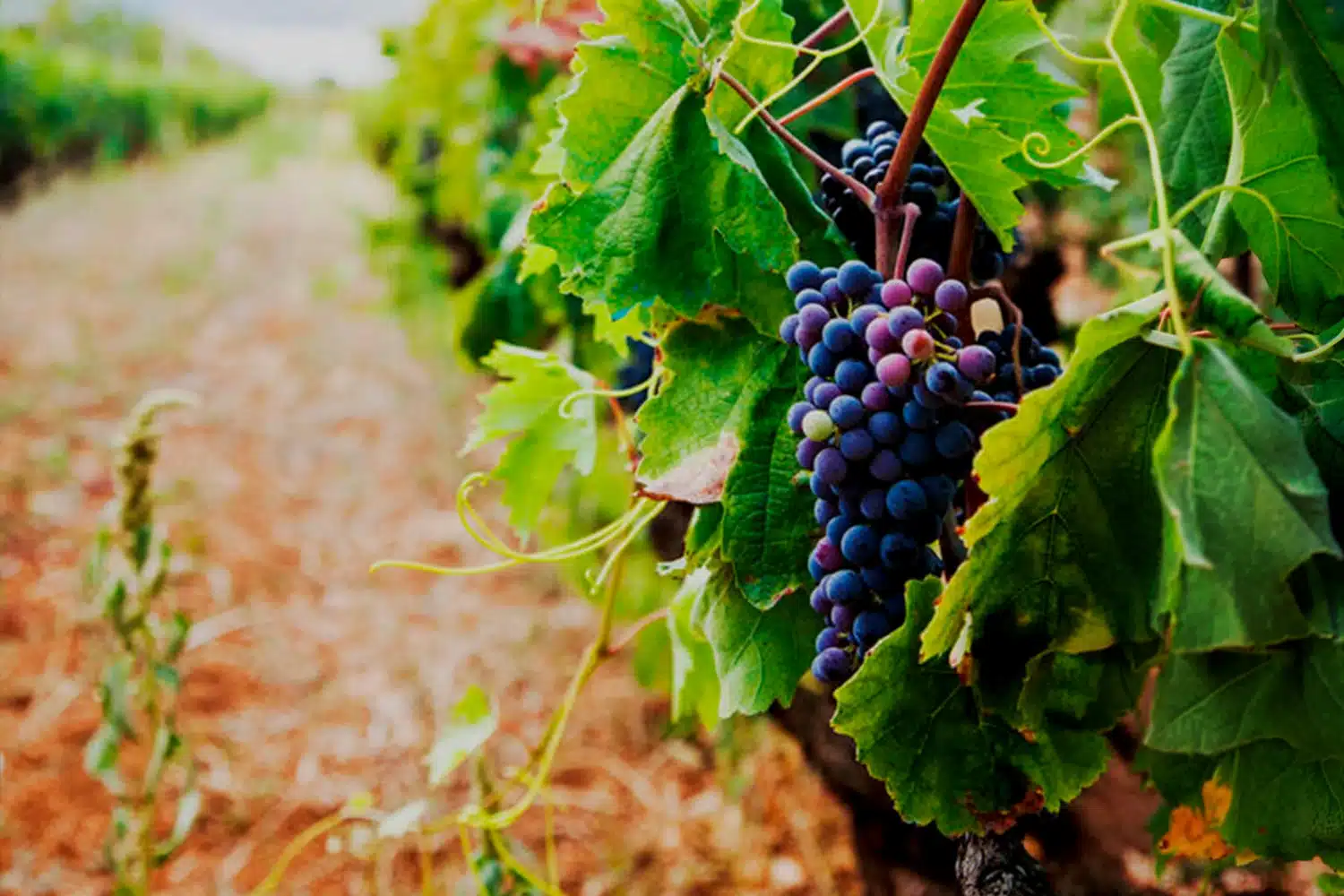
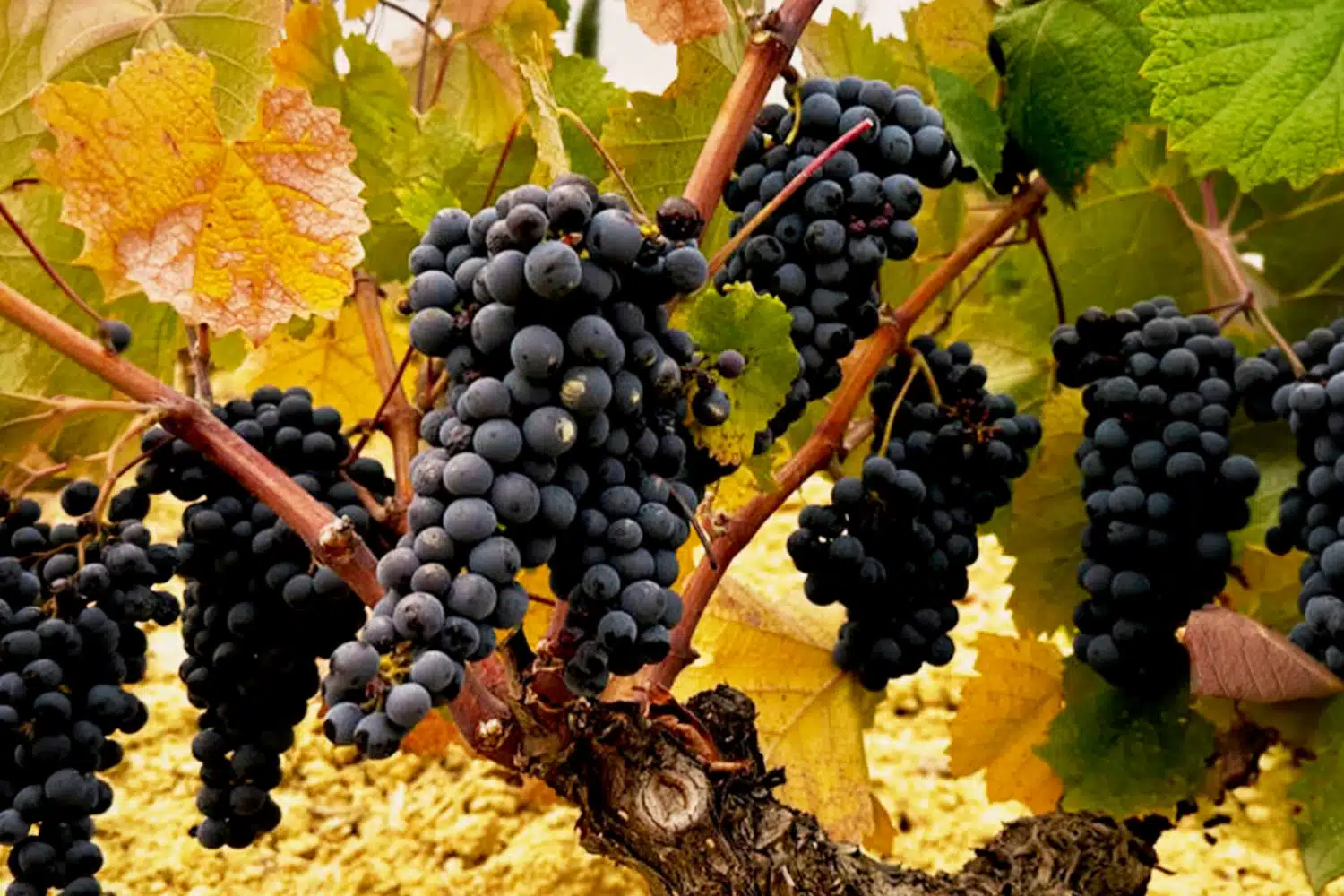
Hydria is a family winery that began its activity in 2012 in search of a terroir with personality, in a favorable environment for the production of quality wines with their own character. In 2013, they found the “La Hoya de los Hermanos” estate, located on the north face of the Sierra de Lavia at an altitude of 850m, an estate that had been abandoned for 6 years. They decided to recover it and, after two years, it became what is now their hallmark. Most of their vines are around 50 years old and are of the Monastrell variety. They also have other varieties such as Syrah, Garnacha, Tempranillo, and Macabeo. The vines, being surrounded by mountains and vegetation, enjoy a special microclimate that is ideal for growing quality grapes, providing good acidity and structure to the fruit.

They produce different types of wines: wines without oak aging or with minimal time in it, such as “7 sostenidos”; single-varietals of Monastrell, Syrah, or Garnacha; wines with prolonged time in barrels, such as “12 compases”; blends of Monastrell and Tempranillo like “88 teclas” and “1000 acordes”; single-varietals of the Monastrell variety and white wines like “4 cuerdas” without oak, with oak, and under flor yeast. They offer tours of the vineyard, the winery, and tastings. They also have two rooms with a capacity for 90 people where they organize all kinds of events, including catering.

Bodega Monastrell

In the incomparable Aceniche Valley, at over 800 meters altitude, at the confluence of the municipalities of Bullas, Cehegín, and Mula, are the modern facilities of the winery built with an intelligent design for optimal use of sunlight. Own vineyards, enthusiasm, and a well-designed solid project are the foundations of this winery that vinified its first harvest in 2005. Bodega MONASTRELL was born as a personal project of the couple formed by Alfonso and Mavi, natives of Bullas and heirs to a long family agricultural tradition, where love for the land has become passion and enjoyment for producing well-made products.

The winemaker José Jiménez joined the team and has gradually developed a winemaking style that optimizes the exquisite production of Monastrell reds, one of the varieties best adapted to this unique natural environment. From the very beginning, grapes have been produced under the guidelines and philosophy of Organic Farming. Since the 2011 harvest, both the viticultural production and the wines of Bodega MONASTRELL have also been protected and certified by the Organic Farming Council. Their red wines are the result of a long and pampered winemaking process that begins every year in the vineyard and, after passing through the glass, ends up bringing enjoyment to the consumer.

Bodega Pura Viña

Privileged environments to make the freshest and most elegant Monastrell in the world. We currently work on 8 hectares of vineyards, acquiring vineyard plots in strategic areas to develop viticulture in line with our ideas and to interpret our wines through the differences in orientation, climate, and soil of our valleys. These valleys are areas with an altitude that undoubtedly provides one of the most privileged environments.

All our production is done by hand with very low yields between 52% and 56% of the cluster. No yeast seeding, letting indigenous yeasts act over ten days of maceration and spindle press. Use of multi-use barrels to blend the wines with their lees without much racking, clarification with egg white, and very light filtration only to remove the coarse lees in suspension. Natural malolactic fermentation finishing in spring.

Bodegas del Rosario

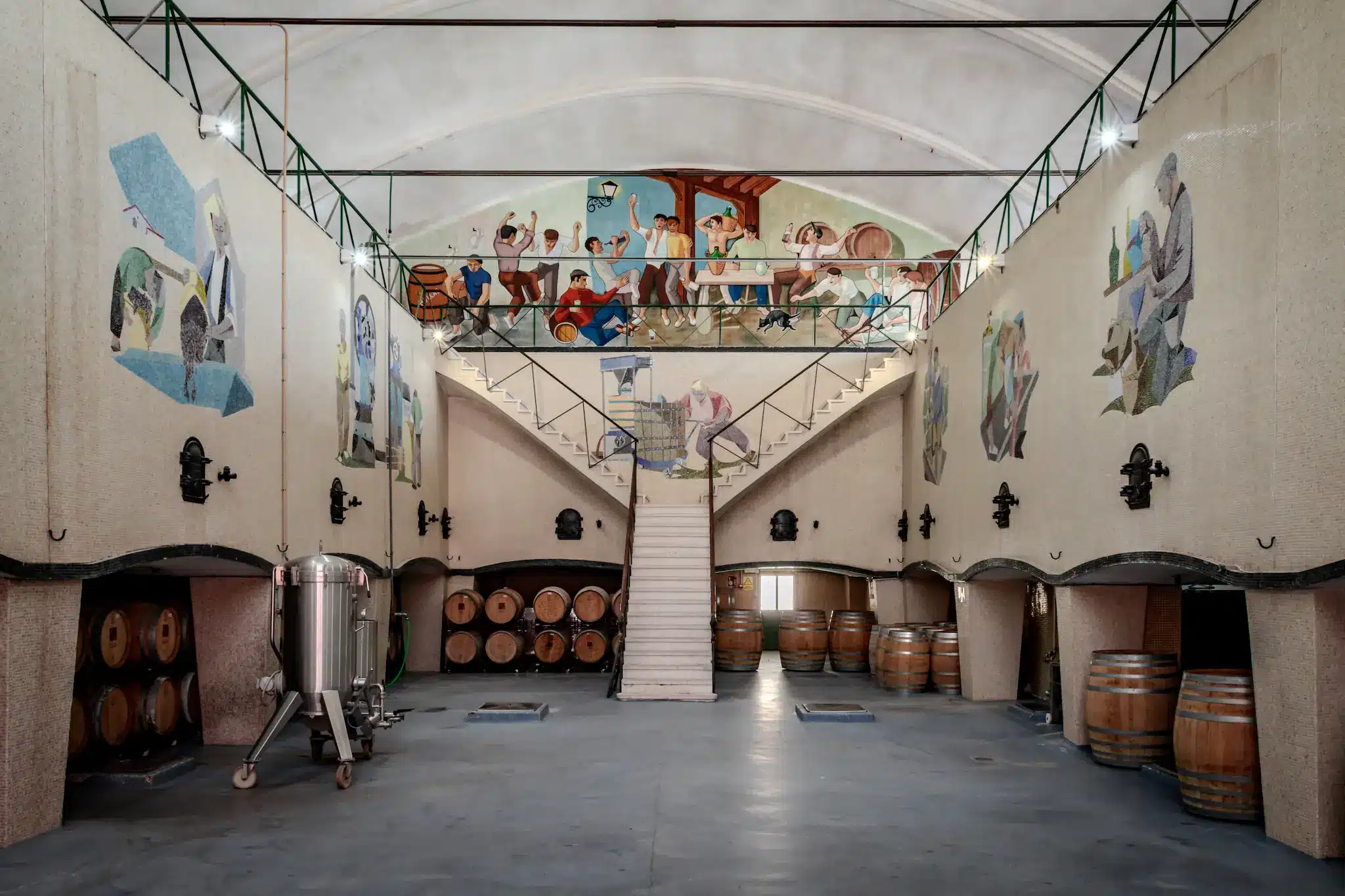
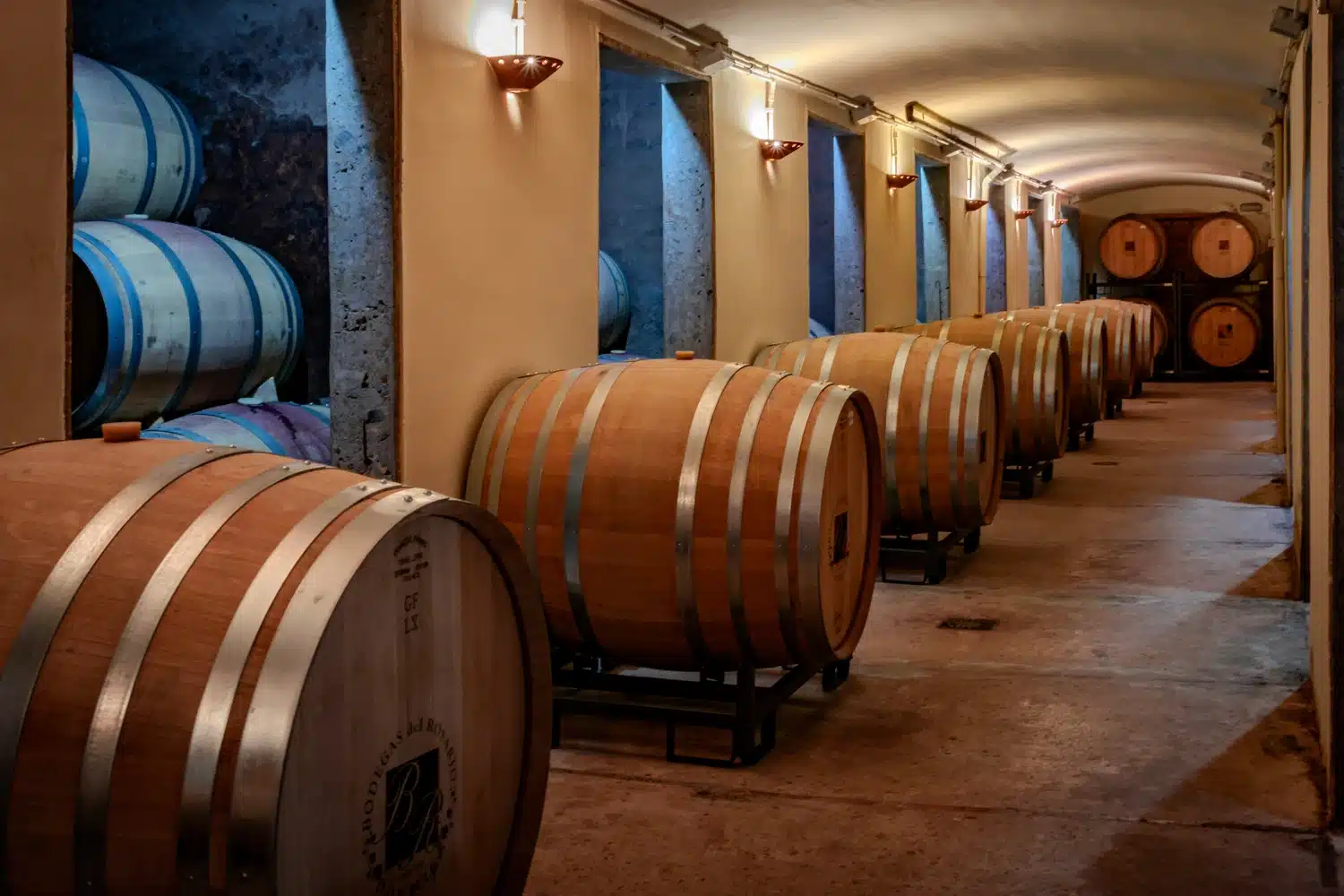
Bodega del Rosario is located in Bullas, on the old Camino de la Estación, near the town’s Wine Museum. It is the largest winery in terms of size and production in the entire Bullas Denomination of Origin area. Created in 1950, it was the first cooperative in the town and currently groups together the largest number of viticulturists.

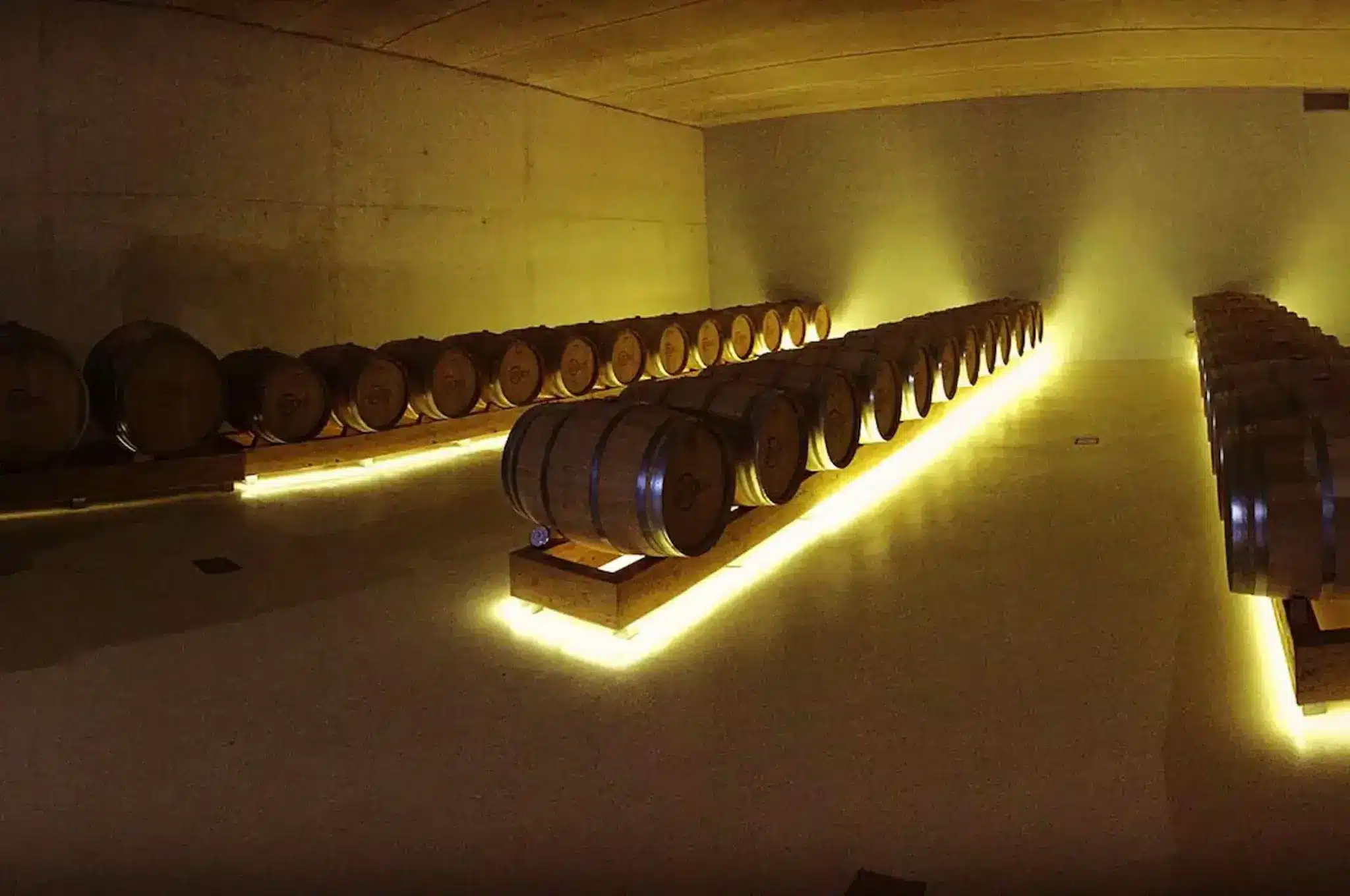
It still preserves the original facilities from its early days, including the main facade, the “Mosaic Room,” and the cellar, with a unique use of the original tanks for the current preservation and aging of the wines.

Bodega Tercia de Ulea

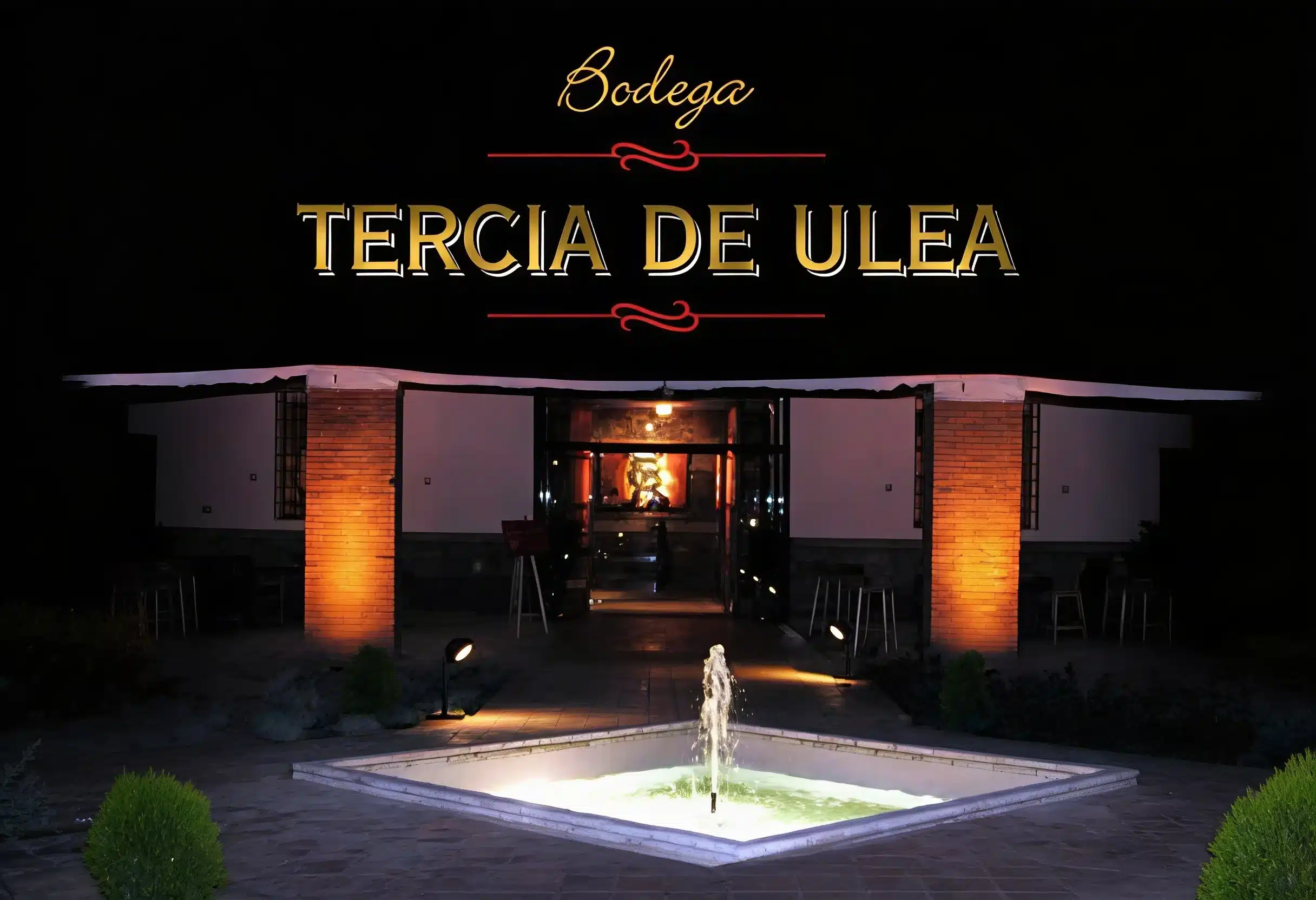
The origins of Bodega Tercia de Ulea date back to the 13th century. With the conquest of Moratalla came the creation of the Encomienda de Moratalla by the Order of Santiago. The order reserved the lands of the Ulea estate for the enjoyment of its commanders, developing and promoting the already existing vineyards and winery. The accounts of the Encomienda bear witness to the important production and quality of its wines from the 15th to the 19th century. After the phylloxera epidemic of the early 19th century, most of Moratalla’s vineyards were lost, with almost all the wineries in the area disappearing. After the death of the last commander, the infante Don Francisco De Paula—father-in-law of Isabel II—the Tercia de Ulea, along with its winery, passed to the Chico de Guzmán family, which has continued the winemaking activity for three generations.

In 2004, due to growth needs, the winery moved to the adjacent agricultural building. The move to the Casa de Labor allowed for an update in machinery and winemaking technology while maintaining the artisanal character of the production. Production is carried out separately according to grape varieties and plots, so that the different microclimate and terrain characteristics remain controlled. The tanks have a maximum capacity of 10,000 liters, allowing for the separate production of different wines. Our “Tercia de Ulea Crianza” wine was awarded Best Spanish Wine at Asia’s most important wine competition in 2019, which, as every year, took place in Hong Kong.

Historical sites

House of Culture (former Melgares Palace)

Built in 1927 by the Melgares de Aguilar family of landowners, it is a modernist-style construction. Currently, it is the municipal House of Culture, and this building houses various services such as the Auditorium, the radio station, the youth information center, the equality agency, local development, an exhibition hall, and a library, among others.

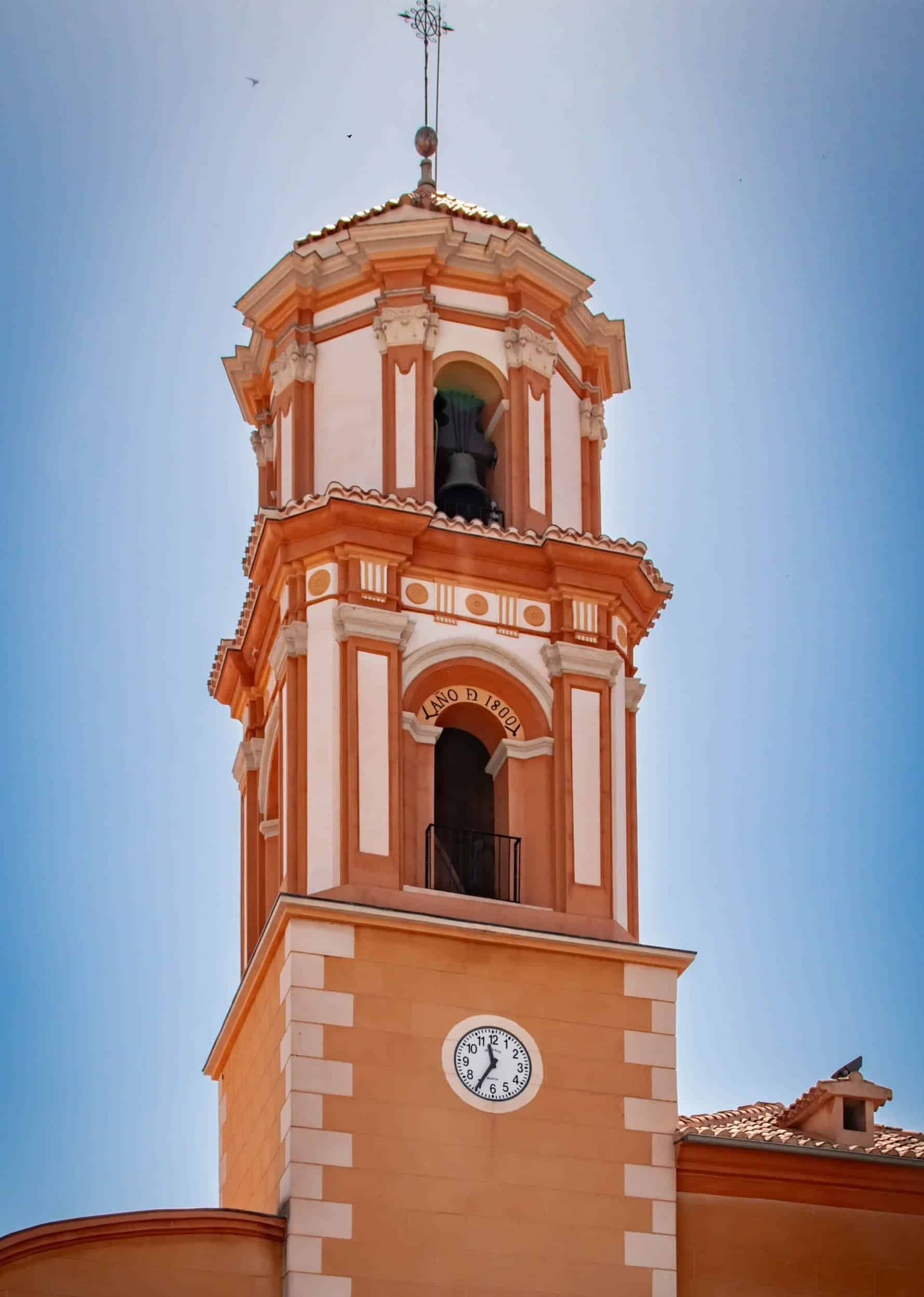
Clock Tower

Built in 1900, the Clock Tower is one of the most identifying elements of Bullas’s urban profile. It was erected by private initiative of the then mayor D. Joaquín Carreño Góngora to regulate irrigation shifts in the nearby Calderón orchard.

Religious heritage, churches and chapels

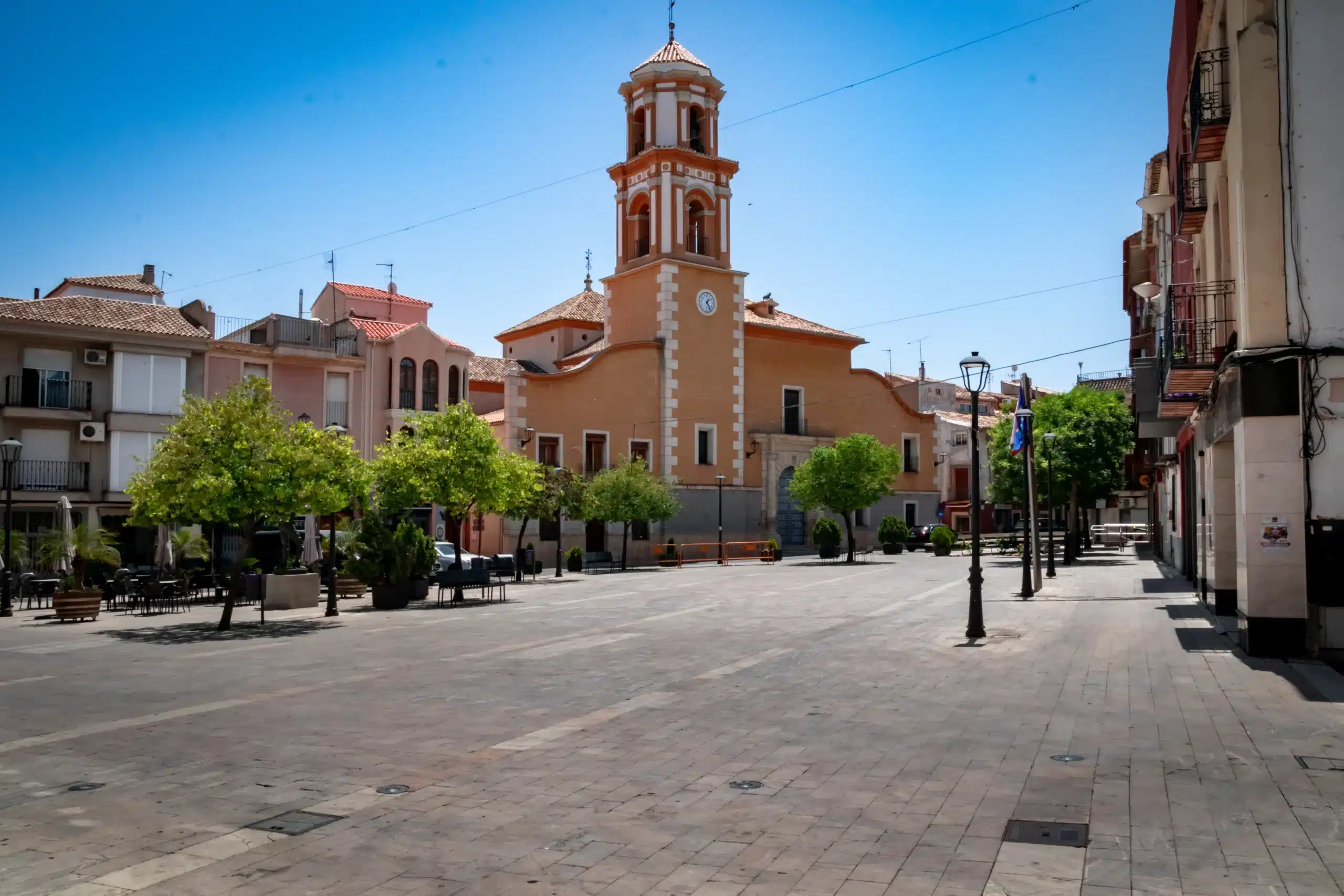
Church of Our Lady of the Rosary

A National Monument since 1982, this temple presides over the Plaza de España. Its first phase was completed in 1723 and it was later expanded and remodeled between 1800 and 1804. The remodeling gave it its current appearance, with the striking Baroque-style tower. The patron saint, the Virgin of the Rosary, occupies the center of the main altarpiece.

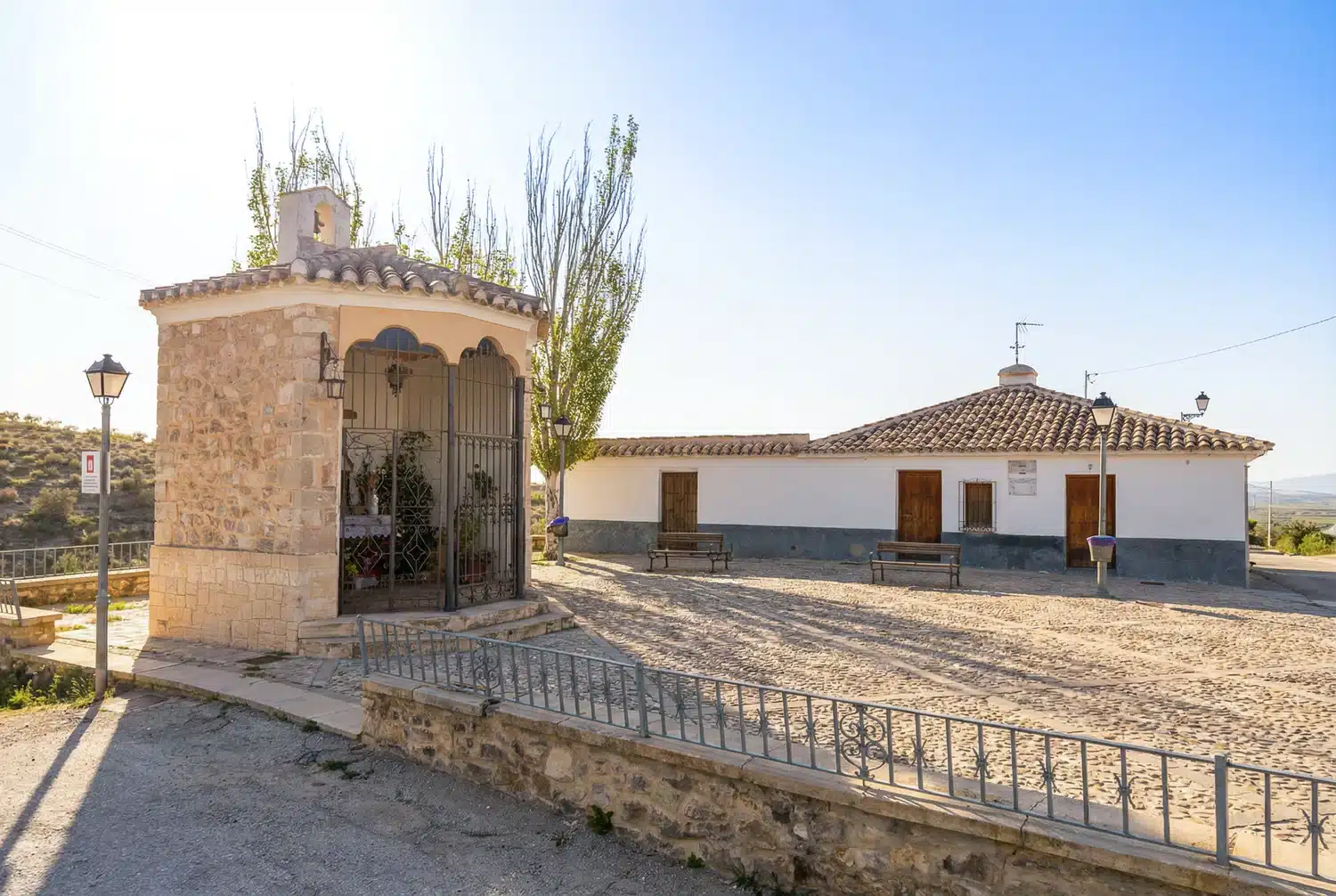
Hermitage of San Blas

The Hermitage of San Blas is a small chapel in the Barrio de la Cruz, next to the Barranco de la Perdiz, linked to the popular devotion to San Blas. It is a brief and charming visit, a common passing point on routes and events like the Trail del Romero.

Church of Our Lady of Consolation

This church is one of the main points of interest in our district of La Copa. Its origins are almost as old as those of the village itself, being established as a Parish in 1904.

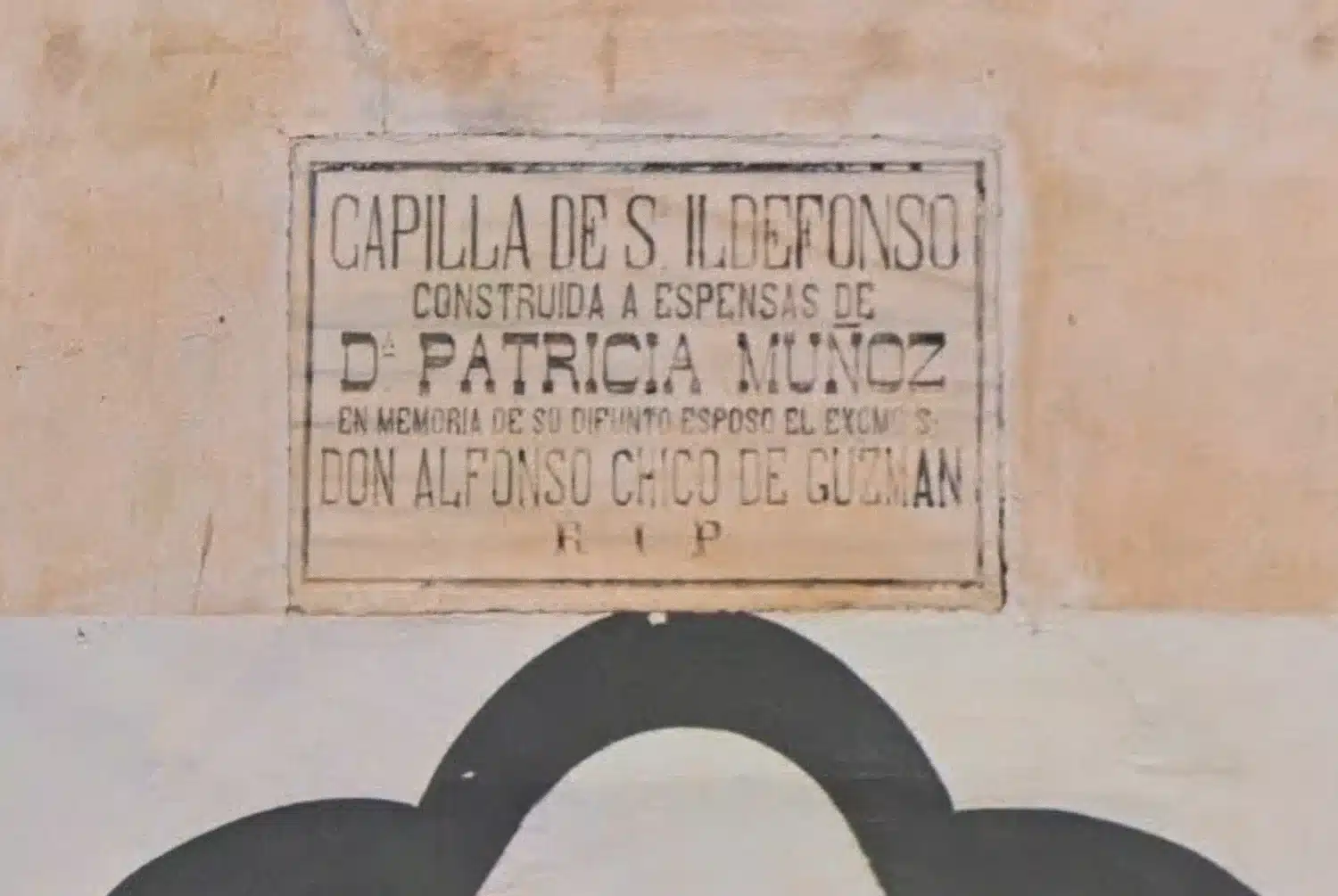
San Ildefonso Chapel (Chapel of the Cross)

The San Ildefonso Chapel, popularly known as the Chapel of the Cross, was built in 1900 and linked to the old Asylum and Hospital for the Elderly. After its restoration in 2016, original elements were recovered and a niche was found, interpreted as the confessional used in her youth by Saint Maravillas de Jesús.

Archaeological sites and historical wealth

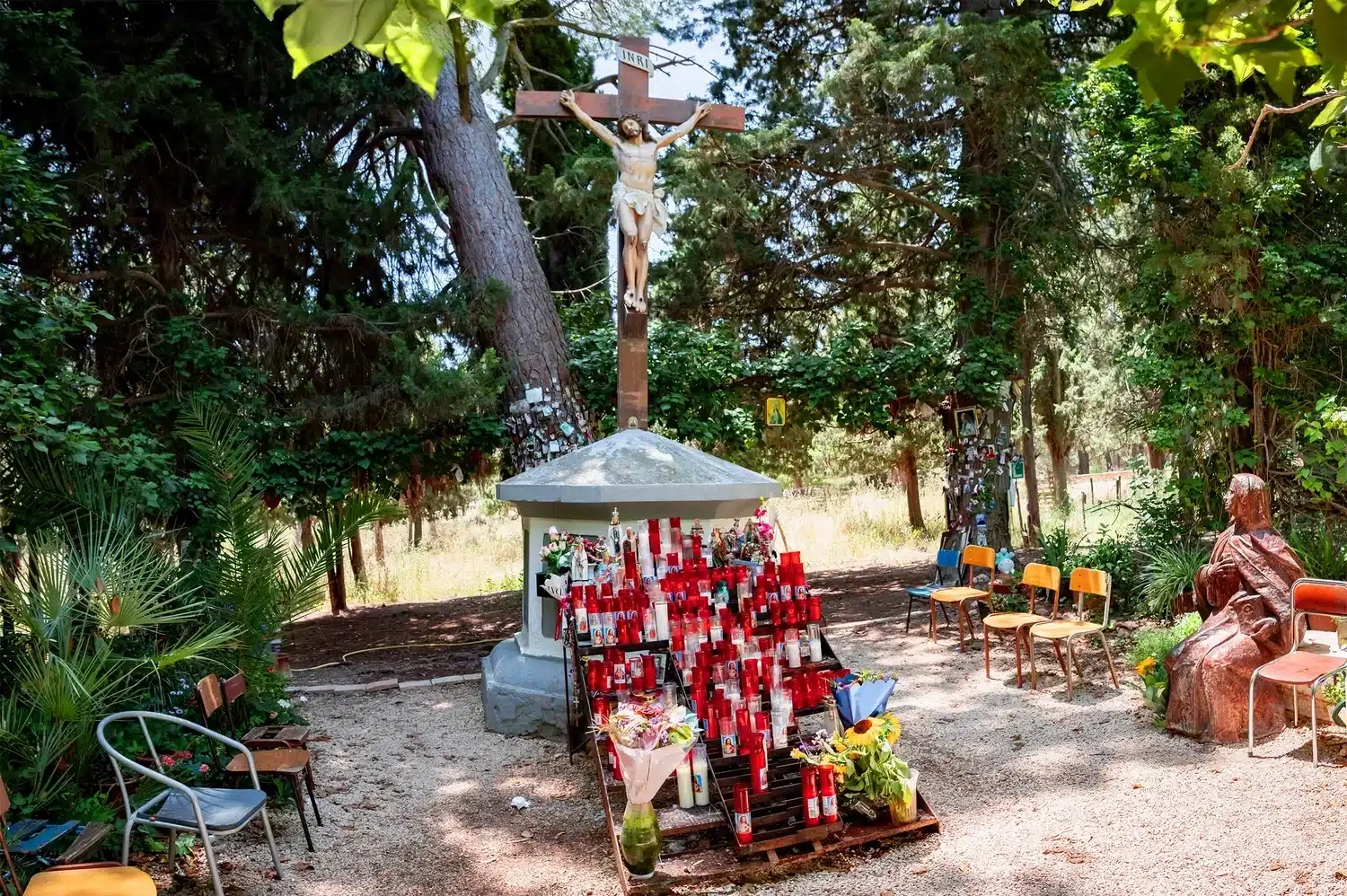
Christ of Carrascalejo

The Cristo del Carrascalejo is an image of Christ crucified located in the area of the same name, next to the Carrascalejo wine sales kiosk, the oldest winery in Bullas, dating to the mid-19th century.

The image stands on a pedestal. It is a place of pilgrimage and devotion, in the heart of nature, very close to the Barranco de la Regidora walk, also ideal as a stop on hiking trails.

Los Cantos Roman Villa

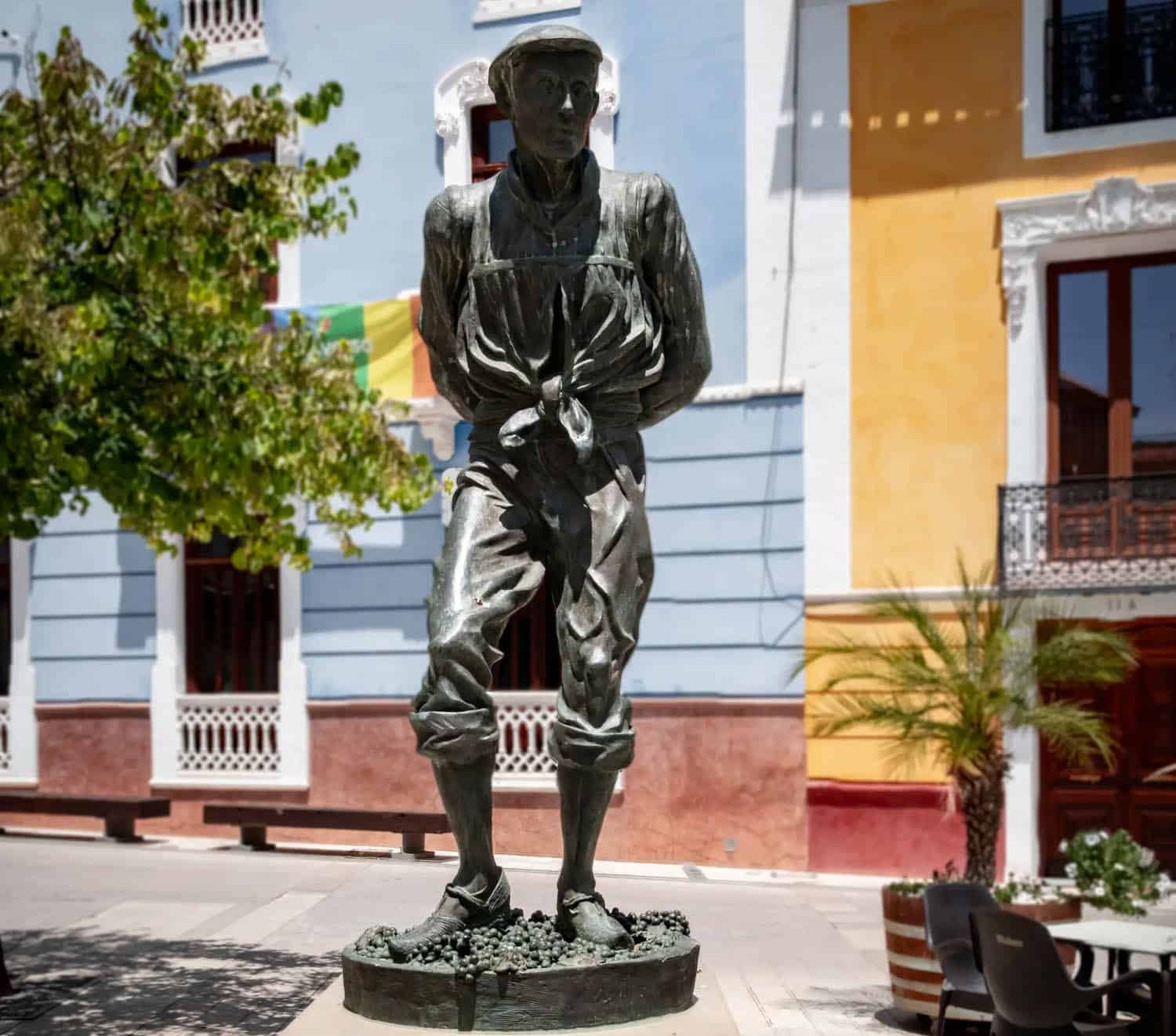
This archaeological site, occupied from the 1st century AD to the 5th century, is a large agricultural complex consisting of a pars urbana (residence), a thermal complex, and an industrial sector. It is the discovery site of four sculptures of children made of white marble, including the famous “Niño de las Uvas” (Boy with Grapes), which represents a seasonal genius of autumn.

All Places in Bullas

Explore at a glance all the corners that make Bullas unique. Explore wineries, museums, natural spaces, viewpoints, and urban heritage.

Use the filters to find what you are looking for by category or area and sort the results to your liking. In each tab you will see photos, map location, schedules, prices, and contact information to organize your visit in detail.
Do you know a place that doesn’t appear here? Send us your proposal and we’ll add it.

Aceniche Valley

Aceniche Valley

The Aceniche plateau is part of the intramountain depressions of Bullas. These are areas of gentle relief where traditional dryland crops such as vineyards, olive groves, and almond trees dominate, arranged in a mosaic pattern that showcases the cultural and traditional character of these lands.
Bodega Balcona

Bodega Balcona

This is a family winery founded in 1998 and located among its own vineyards in the Aceniche Valley—a valley declared of natural landscape interest and an area of high ecological value. It is located 10 kilometers from Bullas. At Balcona, they are winegrowers and select their best grapes to produce wines that express their terroir naturally, with minimal intervention in the winery. The estate was bought in the 1940s by the family grandmother: Josefa, nicknamed "la Balcona" because her house had a balcony. Over the years, the family transformed the traditional cereal crop into vineyards. In 1997, after a conference attended by Josep Lluis Pérez Verdú, one of the fathers of Priorat, they decided to start producing long-lived bottled wines, such as their "Partal de Autor 2006," which still shows perfectly for enjoyment today. In addition to the red wines Mabal, 37 Barricas, and Partal, over the years the productions evolved into organic and natural wines, also expanding the range to white and rosé wines. They have been conducting guided tours of the vineyards and winery since 1998. En 2007 estrenan la sala de catas y, desde entonces, han ido mejorando la experiencia a los amantes del vino que los visitan con otras actividades, como las Cenas Entreviñedos a la luz de la luna llena, que se celebran en julio y agosto en colaboración con los restaurantes de la Ruta del Vino de Bullas. Bodega Balcona es autenticidad y honestidad en botella.
Bodega Hydria

Bodega Hydria

Hydria is a family winery that began operations in 2012, searching for a distinctive terroir in an environment favorable for producing quality wines with a unique character. In 2013, they discovered the “La Hoya de los Hermanos” estate, located on the northern slope of the Sierra de Lavia, at an altitude of 850m, a property that had been abandoned for 6 years. They decided to restore it, and after two years, it became what is now their hallmark. Most of their vines are around 50 years old and are of the Monastrell variety. They also have other varieties such as Syrah, Garnacha, Tempranillo, and Macabeo. Surrounded by mountains and vegetation, the vineyards enjoy a special microclimate that is ideal for cultivating quality grapes, a microclimate that provides good acidity and structure to the fruit. They produce different types of wines: wines without wood aging or with minimal time in wood, such as “7 sostenidos”; single-varietal wines from Monastrell, Syrah, or Garnacha; wines with prolonged barrel aging, such as “12 compases”; Monastrell and Tempranillo blends like “88 teclas” and “1000 acordes”; single-varietal Monastrell wines and white wines like “4 cuerdas” without barrel aging, with barrel aging, and under flor yeast. They offer vineyard and winery tours, as well as tastings. They also have two event rooms with capacity for 90 people where they organize all types of events, including catering.
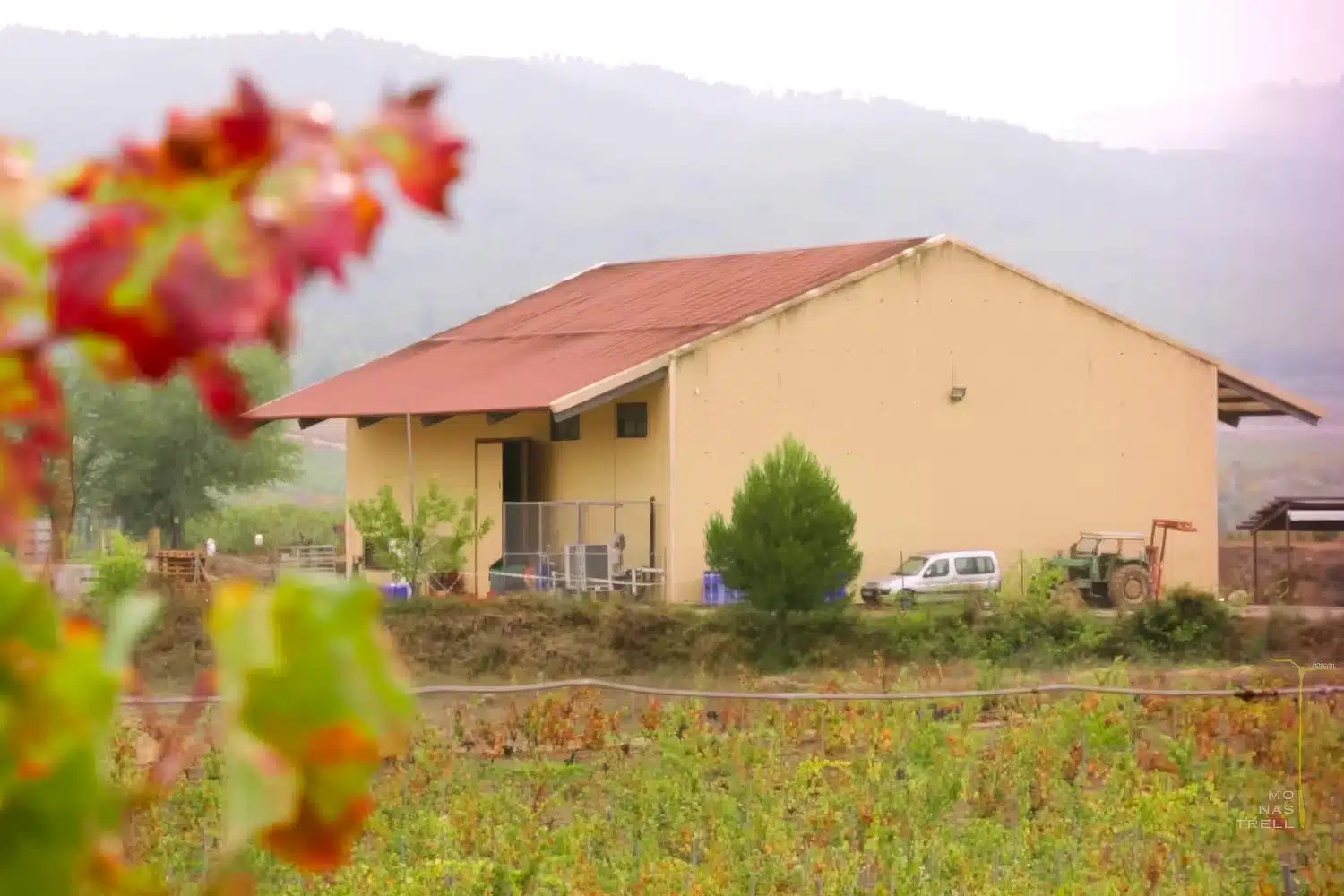
Bodega Monastrell

Bodega Monastrell

In the incomparable Aceniche Valley, at over 800 meters altitude, at the confluence of the municipalities of Bullas, Cehegín and Mula, you'll find the modern facilities of the winery built with an intelligent design for optimal use of sunlight. Own vineyards, passion and a well-designed solid project are the foundations of this winery that vinified its first harvest in 2005. Bodega MONASTRELL was born as a personal project of the couple formed by Alfonso and Mavi, natives of Bullas and heirs to a long family agricultural tradition, where love for the land has become passion and enjoyment for making well-crafted products. Joining the work team is winemaker José Jiménez who, little by little, has developed a winemaking style that optimizes the exquisite production of red wines from the Monastrell variety, one of the varieties best adapted to this unique natural environment. From the very beginning, grapes have been produced under the guidelines and philosophy of Organic Agriculture. Since the 2011 harvest, both the viticultural production and the wines of Bodega MONASTRELL are also protected and certified by the Organic Agriculture Council. Their red wines are the result of a long and carefully nurtured winemaking process that begins each year in the vineyard and, after passing through the glass, ends up delighting the consumer.
Bodega Pura Viña

Bodega Pura Viña

Privileged environments for making the freshest and most elegant Monastrell in the world. We currently work on 8 hectares of vineyards, acquiring vineyard plots in strategic areas to develop viticulture in line with our ideas and to interpret our wines through the differences in orientation, climate, and soil found in our valleys. These valleys are areas with an altitude that provides, among other things, one of the most privileged environments. All our production is done by hand with very low yields between 52% and 56% of the cluster. No yeast seeding, letting indigenous yeasts act over ten days of maceration and spindle press. Use of multi-use barrels to blend the wines with their lees without much racking, clarification with egg white, and very light filtration only to remove the coarse lees in suspension. Natural malolactic fermentation finishing in spring.
Bodega Tercia de Ulea

Bodega Tercia de Ulea

The origins of Bodega Tercia de Ulea date back to the 13th century. With the conquest of Moratalla, the Encomienda de Moratalla was created by the Order of Santiago. The order reserved the lands of the Ulea estate for the enjoyment of its commanders, developing and enhancing the existing vineyards and winery. The Encomienda's records bear witness to the significant production and quality of its wines from the 15th to the 19th century. After the phylloxera epidemic in the early 19th century, most of Moratalla's vineyards were lost, and almost all the wineries in the area disappeared. After the death of the last commander, Infante Don Francisco De Paula –father-in-law of Isabel II–, Tercia de Ulea, along with its winery, passed to the Chico de Guzmán family, who have continued the winemaking activity for three generations. In 2004, due to growth needs, the winery moved to the adjacent agricultural building. The relocation of the winery to La Casa de Labor allowed for an update in machinery and production technology while maintaining the artisanal character of the production. Production is carried out differently according to grape varieties and plots, ensuring that the distinct microclimate and terrain characteristics are kept under control. The tanks have a maximum capacity of 10,000 liters, which allows for the differentiated production of the various wines. Our wine “Tercia de Ulea Crianza” was awarded as Best Spanish Wine in Asia's most important wine competition in 2019, which, as every year, took place in Hong Kong.
Bodegas del Rosario

Bodegas del Rosario

Founded in 1950, Bodega del Rosario is the oldest cooperative in the Bullas Designation of Origin and brings together the majority of local winegrowers. This winery combines tradition with modern technology to produce high-quality wines, especially from the Monastrell grape, the quintessential native variety. They offer guided tours of their facilities, from the winemaking area to the barrel room and the bottling plant, finishing with a guided tasting of their most representative wines. It is a perfect opportunity to get an up-close look at the production process and the passion behind every bottle.
Bullas Wine Museum

Bullas Wine Museum

Our Wine Museum is the authentic benchmark and starting point of the Wine Route. It is located in an old 19th-century winery that initially belonged to the Melgares de Aguilar family and was, at the time, one of the largest wineries in the old Kingdom of Murcia. Throughout its rooms, visitors discover the historical relationship of this land with viticulture since Roman times and the wine-making process in its traditional and modern forms.
Christ of Carrascalejo

Christ of Carrascalejo

El Cristo del Carrascalejo is an image of Christ on the cross located in the spot of the same name, next to the Carrascalejo wine kiosk and the oldest wine cellar in Bullas, dating back to the mid-19th century. The image stands on a pedestal. It is a place of pilgrimage and devotion, surrounded by nature, very close to the Barranco de la Regidora walkway, and also an ideal stop on hiking routes.
Church of Our Lady of Consolation

Church of Our Lady of Consolation

This church is one of the main points of interest in our hamlet of La Copa. Its origins are almost as old as the village itself, having been established as a Parish in 1904.
Church of Our Lady of the Rosary

Church of Our Lady of the Rosary

A National Monument since 1982, this temple presides over the Plaza de España. Its first phase was completed in 1723 and it was later expanded and remodeled between 1800 and 1804. The remodeling gave it its current appearance, with the striking Baroque-style tower. The patron saint, the Virgin of the Rosary, occupies the center of the main altarpiece.
Clock Tower

Clock Tower

Built in 1900, the Clock Tower is one of the most distinctive elements of Bullas' urban skyline. It was erected through the private initiative of the then-mayor, D. Joaquín Carreño Góngora, to regulate irrigation shifts in the nearby Calderón orchard.
Don Pepe Marsilla House-Museum

Don Pepe Marsilla House-Museum

Located behind the parish church, this noble house of the Marsilla Melgares family was remodeled in 1900. Since 2006, it has housed a museum that recreates the lifestyles of the late 19th and early 20th centuries. The building is divided into its residential part (with modernist decoration) and its work area, highlighting its large, perfectly preserved cellar.
El Zacatín Market

El Zacatín Market

El Zacatín is a key tourist attraction, being the pioneering market of its kind in the Region of Murcia, and the only one that operates year-round. It is held on the first Sunday of each month from 9:00 AM to 2:00 PM, in the picturesque setting of Plaza Vieja and Plaza del Castillo. It offers an exhibition and sale of typical products and handicrafts, as well as artisan demonstrations, tastings, and wine sampling of D.O. Bullas wines.
Hermitage of San Blas

Hermitage of San Blas

The Hermitage of San Blas is a small chapel in the Barrio de la Cruz, next to the Barranco de la Perdiz, linked to the popular devotion to San Blas. It is a brief and charming visit, a common passing point on routes and events like the Trail del Romero.
House of Culture (former Melgares Palace)

House of Culture (former Melgares Palace)

Built in 1927 by the Melgares de Aguilar family of landowners, it is a modernist-style construction. Currently, it is the municipal House of Culture, and this building houses various services such as the Auditorium, the radio station, the youth information center, the equality agency, local development, an exhibition hall, and a library, among others.
Los Cantos Roman Villa

Los Cantos Roman Villa

This archaeological site, occupied from the 1st century AD to the 5th century, is a large agricultural complex consisting of a pars urbana (residence), a thermal complex, and an industrial sector. It is the discovery site of four sculptures of children made of white marble, including the famous "Niño de las Uvas" (Boy with Grapes), which represents a seasonal genius of autumn.
Paraje de la Rafa

Paraje de la Rafa

This natural spot becomes the epicenter of the San Marcos Festival held in April. After the massive parade of floats that celebrates agricultural tradition, the area serves as the setting for the traditional picnic and other leisure activities.
Paraje del Portugalés, Venta del Pino

Paraje del Portugalés, Venta del Pino

This natural corridor connecting Bullas and Cehegín, where vineyards and typical crops such as almond trees intermingle, offers an impressive view. As we advance, the vine takes on greater prominence, always under the presence of the Lavia peak, which dominates the landscape, with the Venta del Pino at its foot. The land combines tones of calcareous white and red ocher, accentuated by the green of nearby forests.
Rambla de la Regidora

Rambla de la Regidora

This watercourse is notable for its peculiar narrowing as it passes through the El Cristo area (in El Carrascalejo). This narrowing facilitates a greater water supply through the soil, which encourages the appearance of sub-humid forest species such as Portuguese oaks, elms, ashes, black poplars, and willows.
Salto del Usero

Salto del Usero

Listed as a Site of Geological Interest, the Salto del Usero is located in the bed of the Mula River, north of El Castellar hill. It is a spot of great scenic beauty with hydrological and geomorphological interest. Erosion has created its unique dome-shaped morphology, where the water plunges down a waterfall several meters high, forming a deep pool that stays full year-round and is very popular during the summer.
San Ildefonso Chapel (Chapel of the Cross)

San Ildefonso Chapel (Chapel of the Cross)

The San Ildefonso Chapel, popularly known as the Chapel of the Cross, was built in 1900 and linked to the old Asylum and Hospital for the Elderly. After its restoration in 2016, original elements were recovered and a niche was found, interpreted as the confessional used in her youth by Saint Maravillas de Jesús.
Teniente Flomesta Square / Old Square

Teniente Flomesta Square / Old Square

Popularly known as Plaza Vieja, Plaza Teniente Flomesta is the heart of Bullas' old town. This square, the center of the town's social life for centuries, retains the charm of traditional architecture, with its whitewashed houses and wrought-iron balconies. The old town hall used to be located here. Today, it's a meeting point surrounded by bars and shops, where numerous events and markets are held. Its peaceful atmosphere and historic character make it an ideal starting point for exploring the narrow, steep streets of the town's historic center.


Events

News

News about cinema

News about cinema

A route is a planned journey that allows you to explore different places in an organized way, whether on foot, by bike, or by vehicle. Along the way, you can discover...
What to Do in Bullas

Accommodation

Businesses

Gastronomy

Places

Routes

Accommodation

Businesses

Gastronomy

Places

Routes