



















The document outlines a roadmap to boost the gastronomy, agri-food products, and wine heritage of Bullas, Calasparra, Caravaca de la Cruz, Cehegín, Moratalla, and Mula....


There are places where time seems to stand still, frozen in an eternal moment, and others where tradition rides on the back of the wind.
Welcome to Caravaca de la Cruz, the cradle of an ancestral faith and home to a festival that lives and beats in the heart of its people.
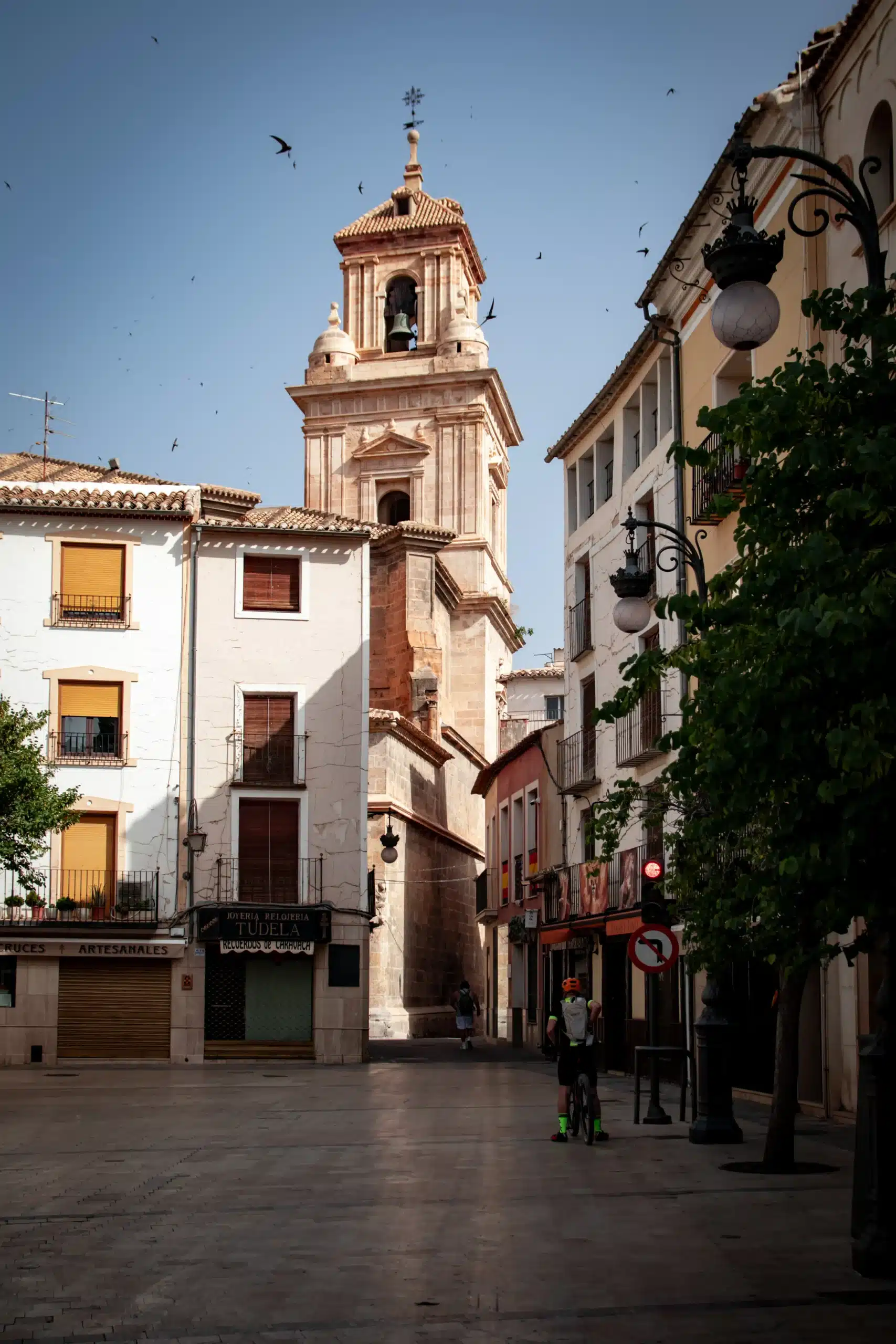
Here, when the bells stretch out time, each toll brings back springs of joy and combat, announcing that the city is about to transform.
The story that forged our destiny began on May 3, 1231.
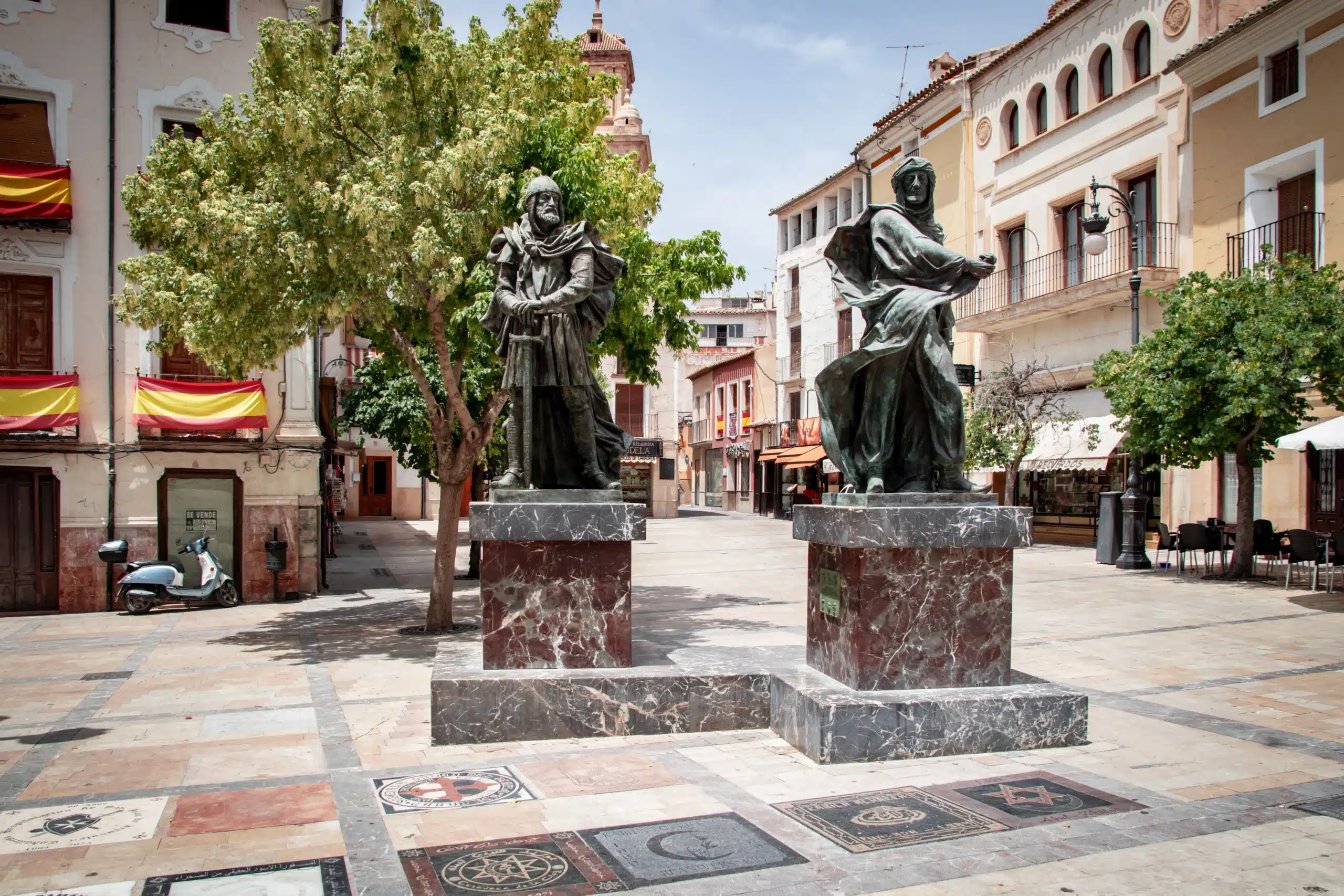
That day, an unexpected echo rumbled through the city walls. The Almohad Sayyid of Valencia, Abu-Zeit, who in a bold challenge raided the Christian town.
What seemed like a military conquest became the setting for the unthinkable.
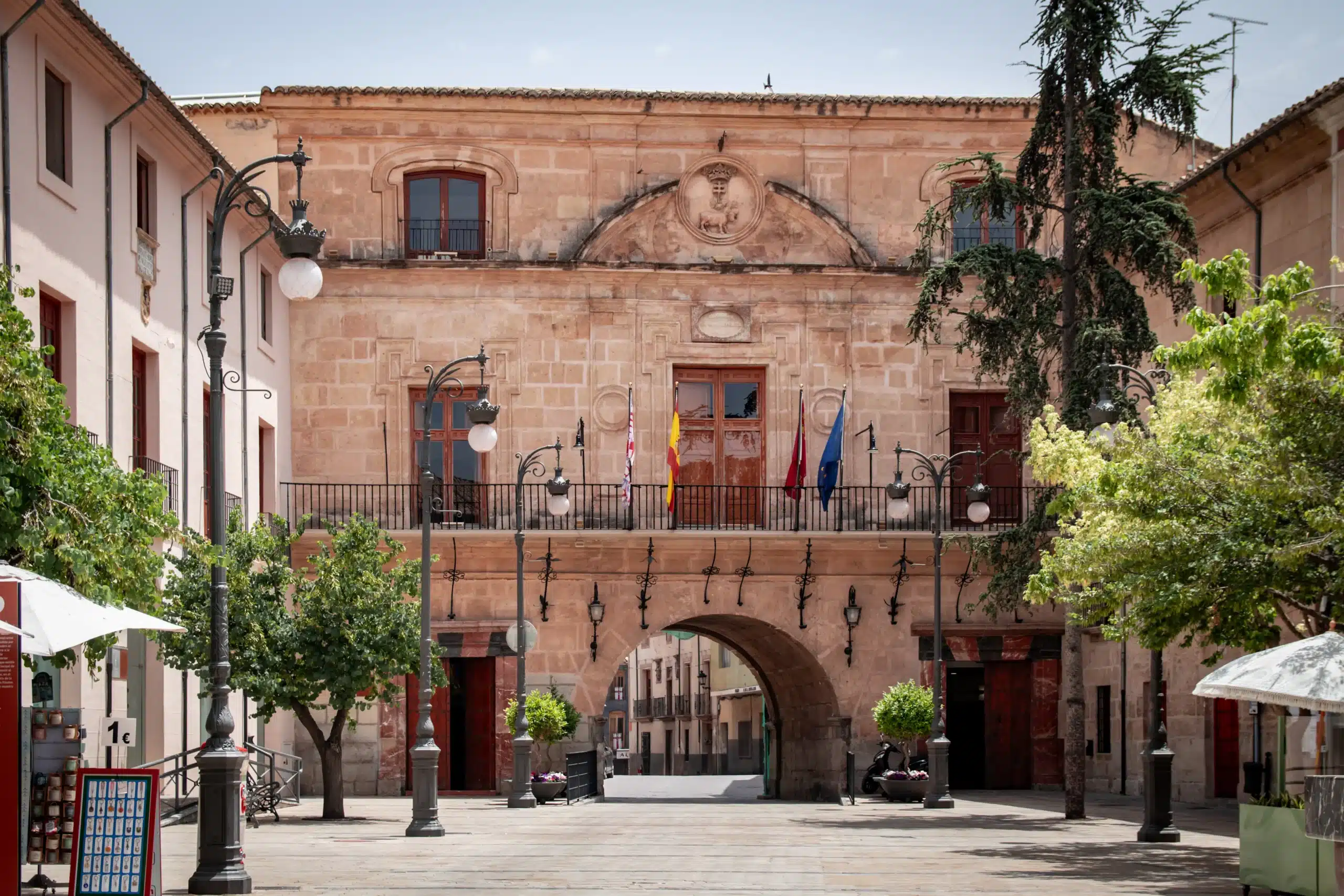
In the solemn main hall of the old Caravaca fortress, the Almohad leader demanded that the prisoner priest, Ginés Pérez Chirinos, celebrate a mass in his presence. His intention was to see if that man truly performed the sacred office he claimed.
The ceremony began under the watchful eye of the court, but, in the middle of a deep silence, the priest stopped in alarm. An essential element was missing: a crucifix on the altar, indispensable to continue the sacred ritual
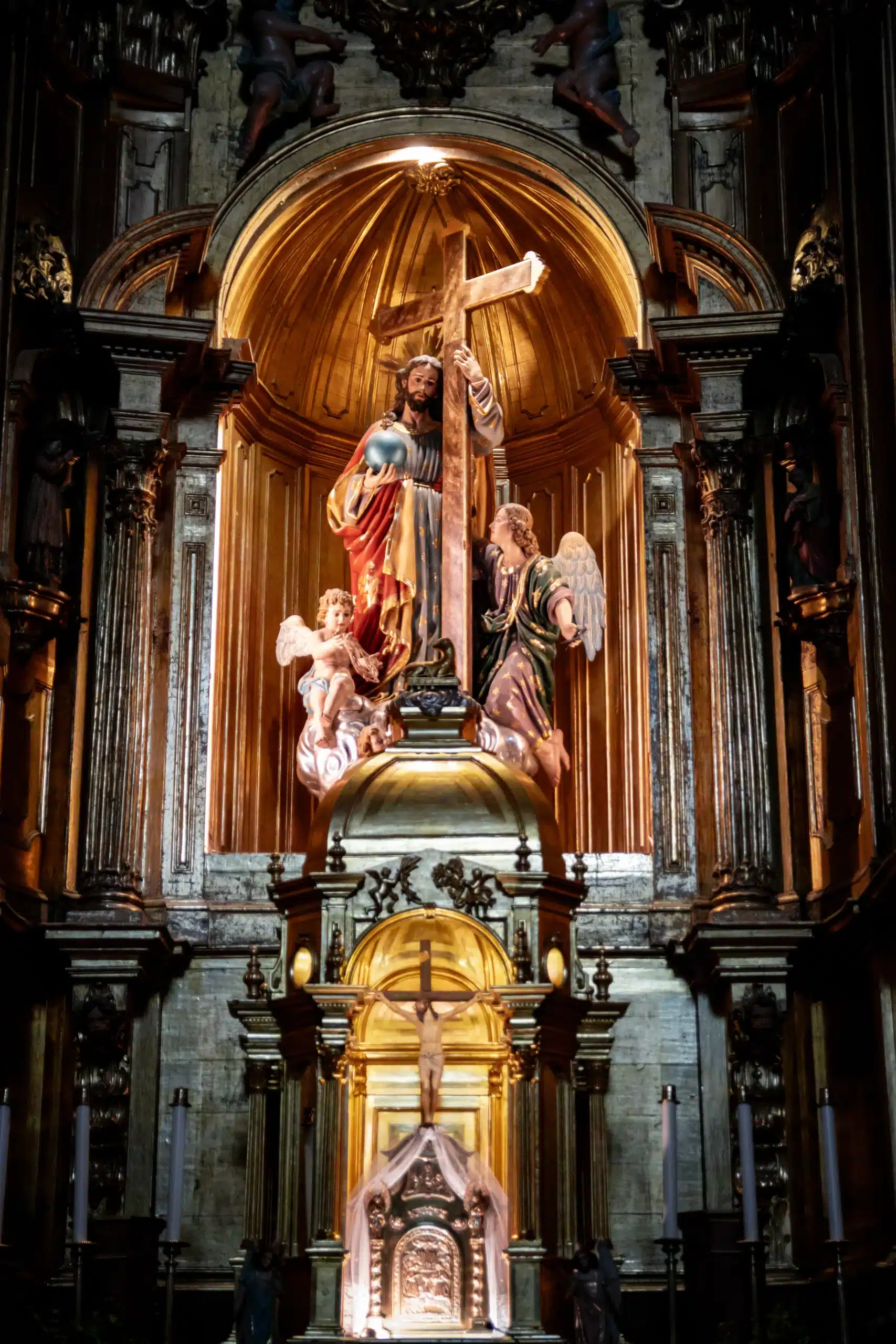
It was then that the unthinkable happened. Before the bewilderment of the room, two luminous angels majestically descended from the heavens carrying the sacred Vera Cruz and gently placed it on the altar.
Faced with such a vision, Abu-Zeit and his court, impressed by the miracle, decided to embrace Christianity and were baptized. From that moment on, the town was never the same again.
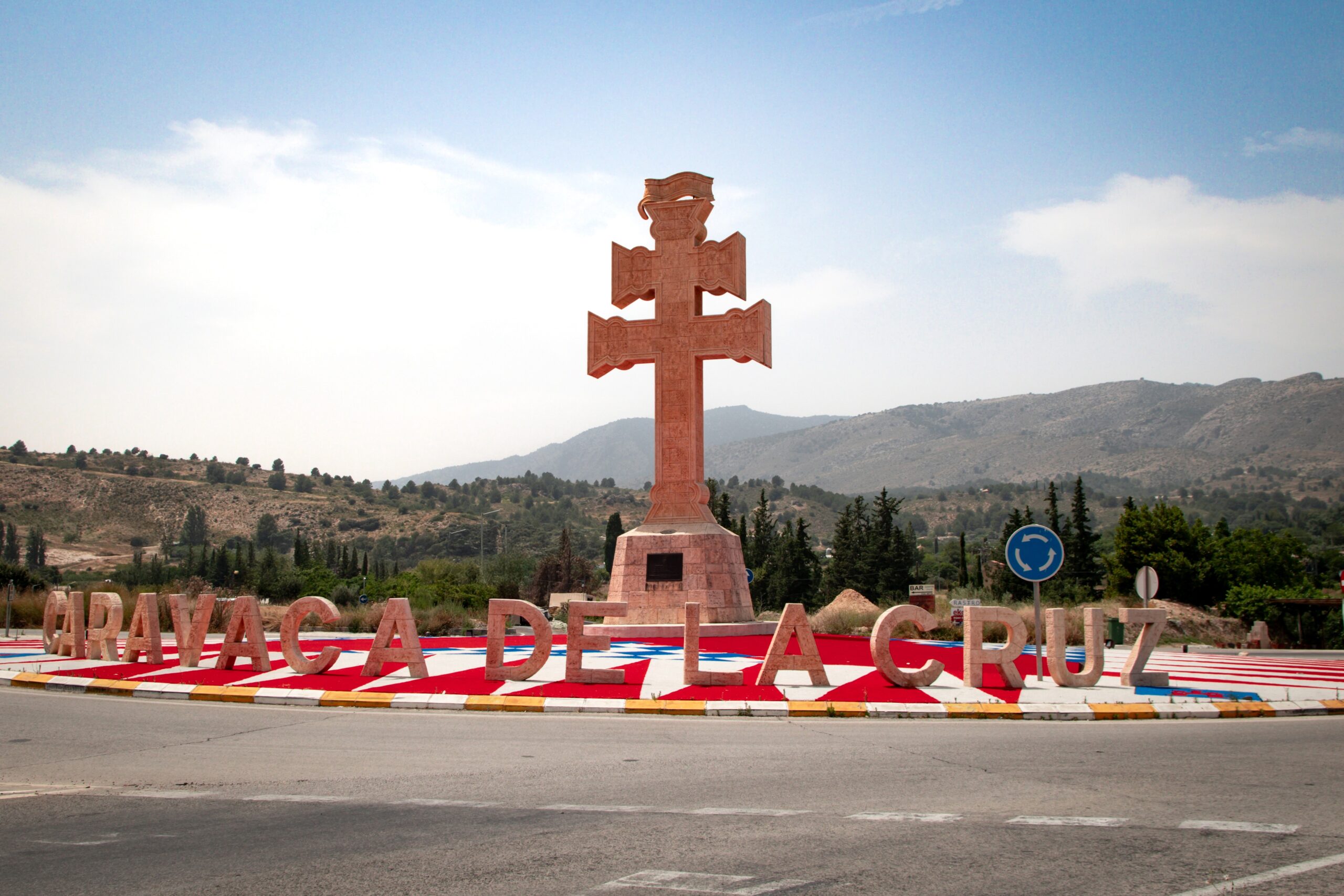

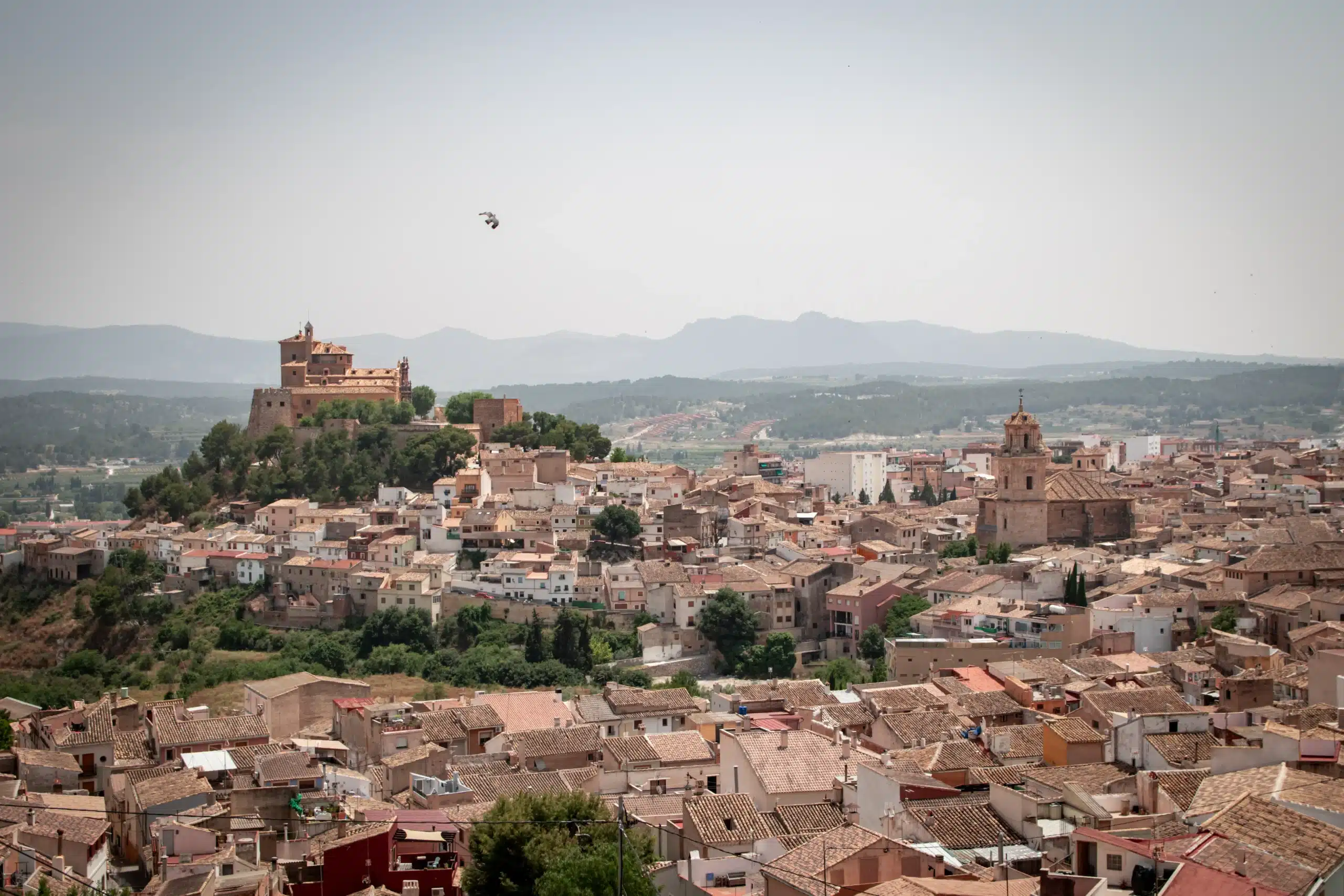
Following the miracle, Caravaca became an impregnable bastion of Christianity. It was a territory first bravely protected by the legendary knights of the Order of the Temple from 1266 and, later, guarded with honor by the Order of Santiago, who heroically defended it for centuries until well into the 19th century.
This faith of the people, constantly nourished by wonders, legends, and miracles, transformed the city into a lighthouse that attracts pilgrims from the farthest corners of the world. Through our paths have traveled alms-seekers and nobles, religious figures and adventurers, knights and humble walkers, all seeking the flame that has guided generations.

The Blessing of the Water (Since 1384)
Our traditions are not mere spectacles; they are born from necessity and solidarity. In the year 1384, the neighboring towns of Lorca and Totana, desperate in the face of a terrible plague that was ravaging fields and harvests, begged Caravaca to share its most precious treasure with them: water blessed by the Most Holy Vera Cruz.
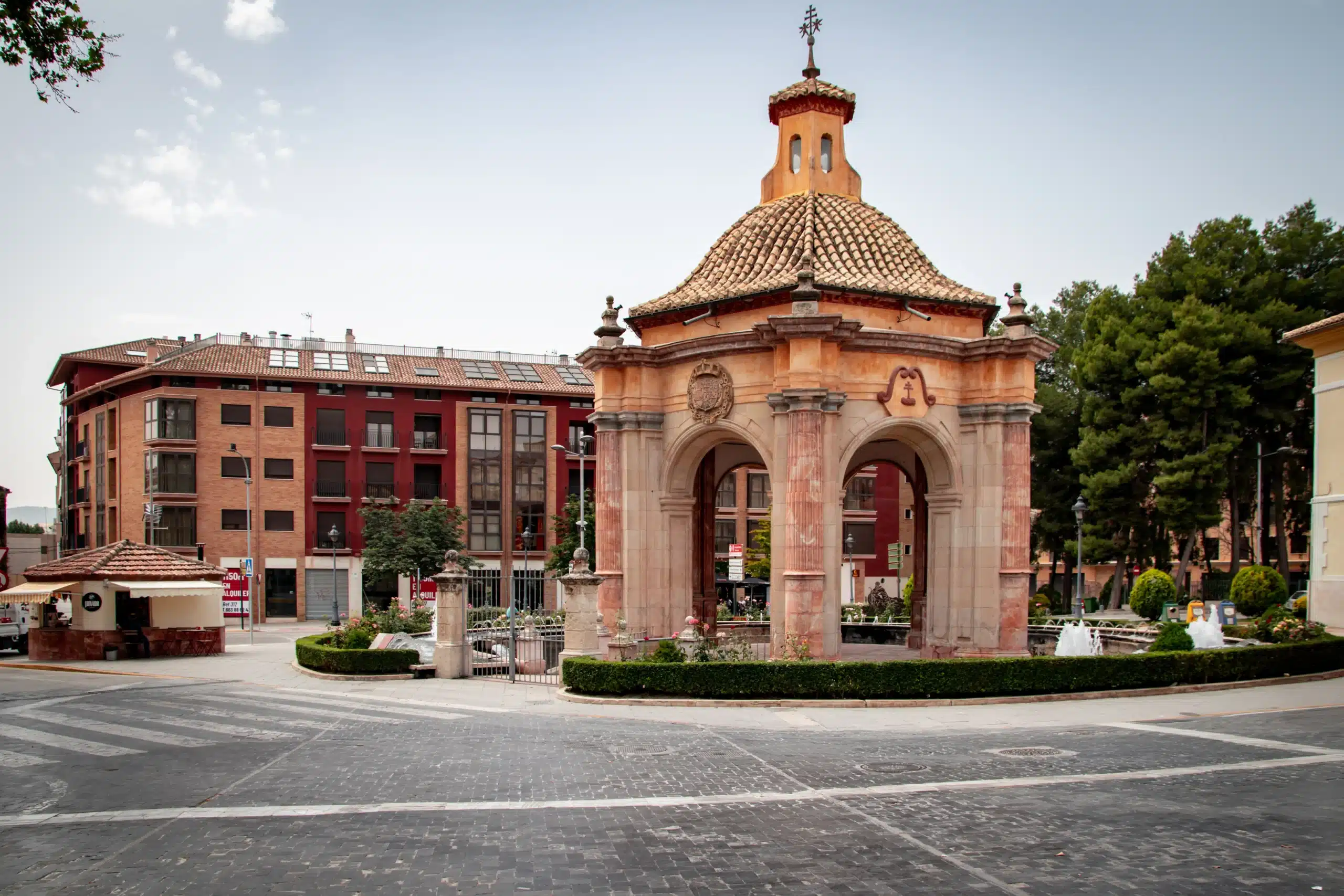
Since then, every May 3rd, noble warriors known as the legendary Armaos company, dressed in their finest military regalia, bravely escort the Vera Cruz from inside the walls to the Templete.
There, before the emotional gaze of all the people, the Cross is submerged in the crystal-clear waters, renewing a sacred rite that unites past and present.
The Blessing of Wine and Flowers
In the 16th century, another custom full of meaning and fervor was born: the Blessing of the Wine.
Closely linked to the payment of the ‘tercia’ to the Order of Santiago, the locals brought wineskins on horses as tribute.
During the eve of the current festival, the mayor, on behalf of the city, offers a tray laden with wine and flowers before the Cross. The chaplain dips the relic three times into the wine, sprinkling the flowers and blessing them. Thus, year after year, century after century, water, earth, and faith merge, bringing forth a blessed harvest and an eternal promise.
The Wine Horses: Passion, Art, and Legend
That practice of transporting wine evolved into the famous celebration of the Wine Horses.
What began as a chore was transformed, at the end of the 19th century, into a vibrant spectacle where the ancestral rite was dressed in art.
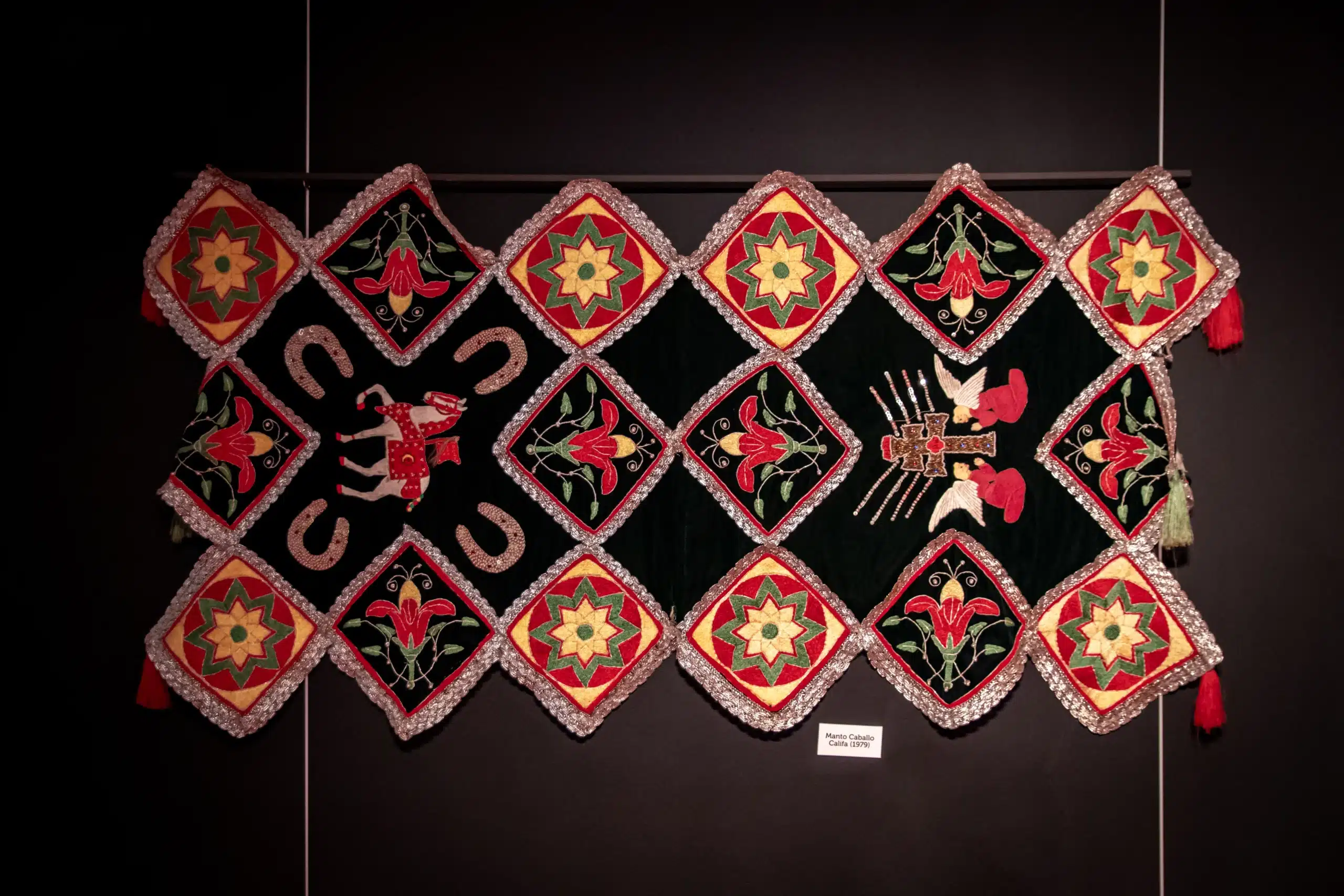
Today, 60 steeds dazzle the world, covered with silk and gold cloaks hand-embroidered over an entire year, weaving faith, art, and devotion into every thread.
These horses conquer 80 meters of pure emotion and legend in a race toward the castle.
In the 60s, the town’s symbol took its final shape when the red neckerchief waved as an emblem of unity and, for the first time, women rode as amazons, leading the way with dignity and courage in a story that no longer distinguishes gender, only bravery.
It is the moment where the past beats strongly in the great race, a moment where history becomes present.

When the dulzaina of the “Tío de la Pita” sounds, the city comes to life. Its call summons children and adults, announcing that after a year of rest, the giants and big-heads are returning to the streets. Between ancient rhythms and joy, the people sense the start of centuries-old rituals.
The horse clubs and the Moors and Christians parades dress up history, filling the streets with color and splendor. Amidst the music, gunpowder, wine, and flowers, the Sacred Cross of the Infirm stands out, bringing hope where footsteps cannot reach. This identity is not just celebrated; it is breathed, sung, and toasted with the heritage that every Caravaca local carries within.
It is a narrative where the written chronicle falls silent on details that the people completed with their voice, mixing myth and truth.
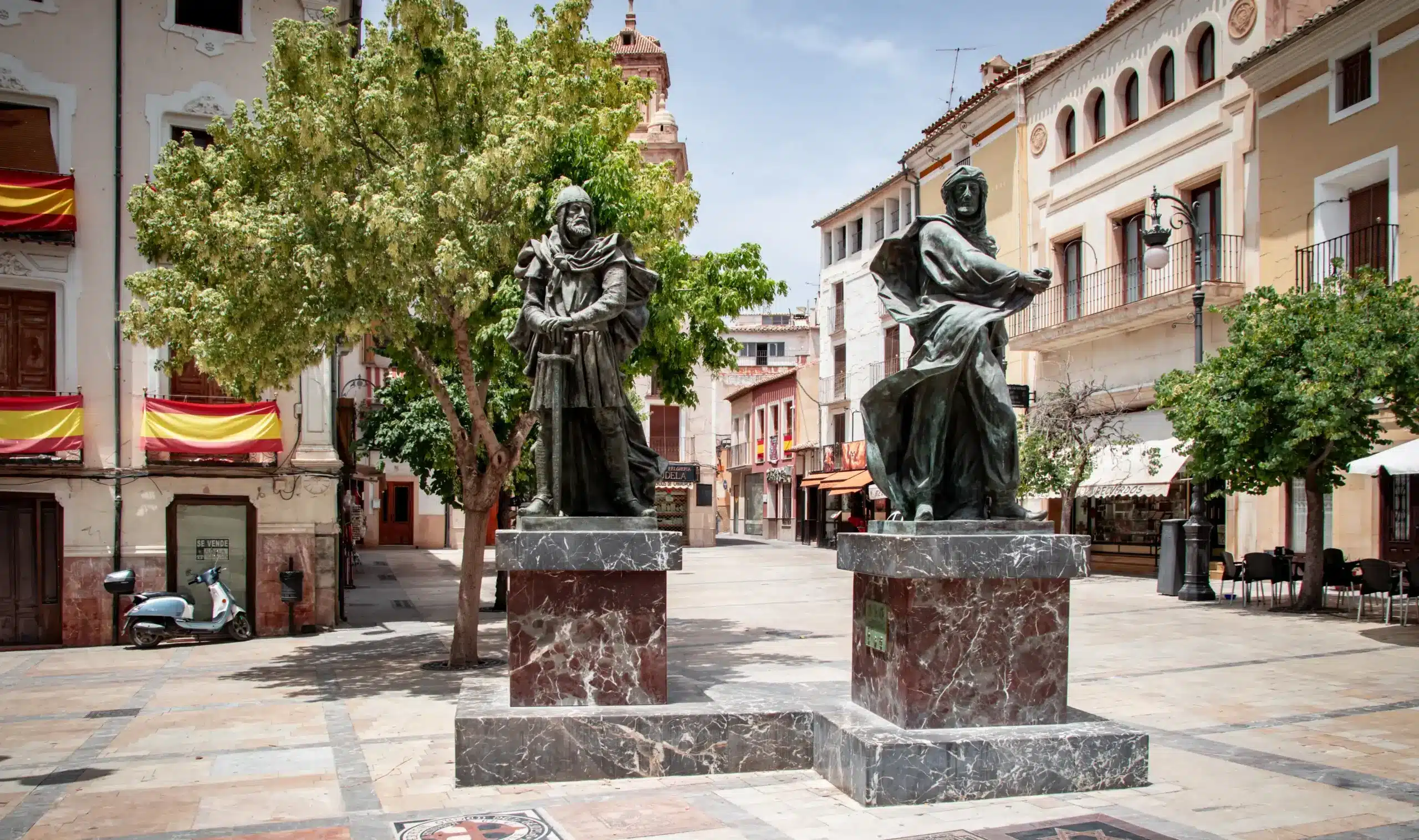


Following the miracle, Caravaca became an impregnable bastion of Christianity. It was a territory first bravely protected by the legendary knights of the Order of the Temple from 1266 and, later, guarded with honor by the Order of Santiago, who heroically defended it for centuries until well into the 19th century.
This faith of the people, constantly nourished by wonders, legends, and miracles, transformed the city into a lighthouse that attracts pilgrims from the farthest corners of the world. Through our paths have traveled alms-seekers and nobles, religious figures and adventurers, knights and humble walkers, all seeking the flame that has guided generations.

A festival with so much history is not just celebrated, it is inherited between generations, like a sacred witness that crosses time, embroidering the future with threads from the past.
Past, present, and future intertwine in every corner of Caravaca, in every drop of water, in every sip of wine, and in every gallop of the horses.
This is a celebration that isn’t just seen; it’s felt in every fiber of your being. It awaits you, today and always, to be lived to the fullest. Because here, in this land of miracles and legends, Caravaca de la Cruz makes its way.

Accommodation
Businesses
Gastronomy
Places
Routes
Accommodation
Businesses
Gastronomy
Places
Routes
The document outlines a roadmap to boost the gastronomy, agri-food products, and wine heritage of Bullas, Calasparra, Caravaca de la Cruz, Cehegín, Moratalla, and Mula....
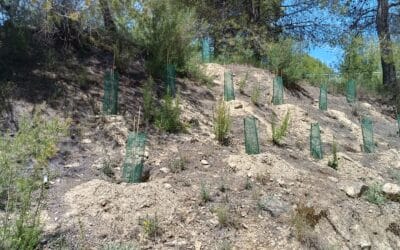
The Association of Tourism Services of the Northwest Region of Murcia has carried out a project to improve the green infrastructure of the "Ruta Verde" (Green Route),...

The Northwest Tourism Services Association continues to advance the modernization and digitalization of the tourism offerings in its member municipalities by acquiring...
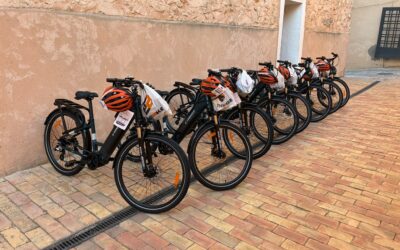
La Mancomunidad de Servicios Turísticos del Noroeste de la Región de Murcia continúa avanzando en la transformación del modelo turístico del territorio con la...
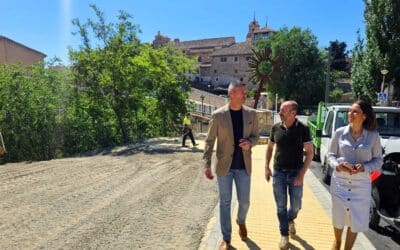
The Caravaca City Council improves the Paseo de Santa Clara with new sidewalks and the reorganization of the parking area. The project, integrated into the 'Tierras de...
PRESS RELEASE Boosting the tourism sector in Northwest Murcia through a business mentoring program funded by NextGenerationEU The Northwest Region of Murcia, under the...