









The document outlines a roadmap to boost the gastronomy, agri-food products, and wine heritage of Bullas, Calasparra, Caravaca de la Cruz, Cehegín, Moratalla, and Mula....


Calasparra is a destination where water changes everything. Between the riverbeds of the Segura and the Mundo, the landscape becomes fertile plains, rocky cliffs, and natural corners that invite you to take a deep breath and enjoy them at a relaxed pace.
Here, tradition is something you can taste and experience: the rice culture of Calasparra, the heartbeat of a land tied to the soil and, at the same time, the thrill of nature at its purest, with perfect settings for active tourism, outdoor routes, and discovering heritage that surprises you at every turn.
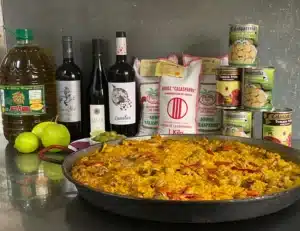
In Calasparra, identity is understood on a plate: here everything revolves around rice, the great local pride. The quality of its varieties has made Calasparra Rice internationally recognised, with a milestone that speaks for itself: it was the first rice in Spain to obtain a Designation of Origin, with final approval in 1986.
Its cultivation also makes it special. It is produced in plots located at an unusual altitude for this type of cereal (between 350 and 500 meters above sea level), a feature that sets it apart from most Spanish rices. Along with another key detail, it is not grown in stagnant water, but in clean, cold water that flows continuously from the irrigation channels to the river—a constant current that results in a grain of exceptional quality.


The abundance of water in Calasparra makes it a perfect setting for nature and adventure tourism, with very distinctive landscapes and plans to enjoy the outdoors.
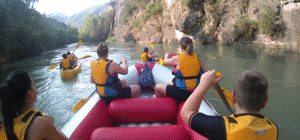
One of its great essentials is the Almadenes Canyon, a Protected Natural Area carved by the Segura River, with walls reaching 150 meters and stretches of calm water ideal for kayaking or boating—an activity suitable for the whole family.
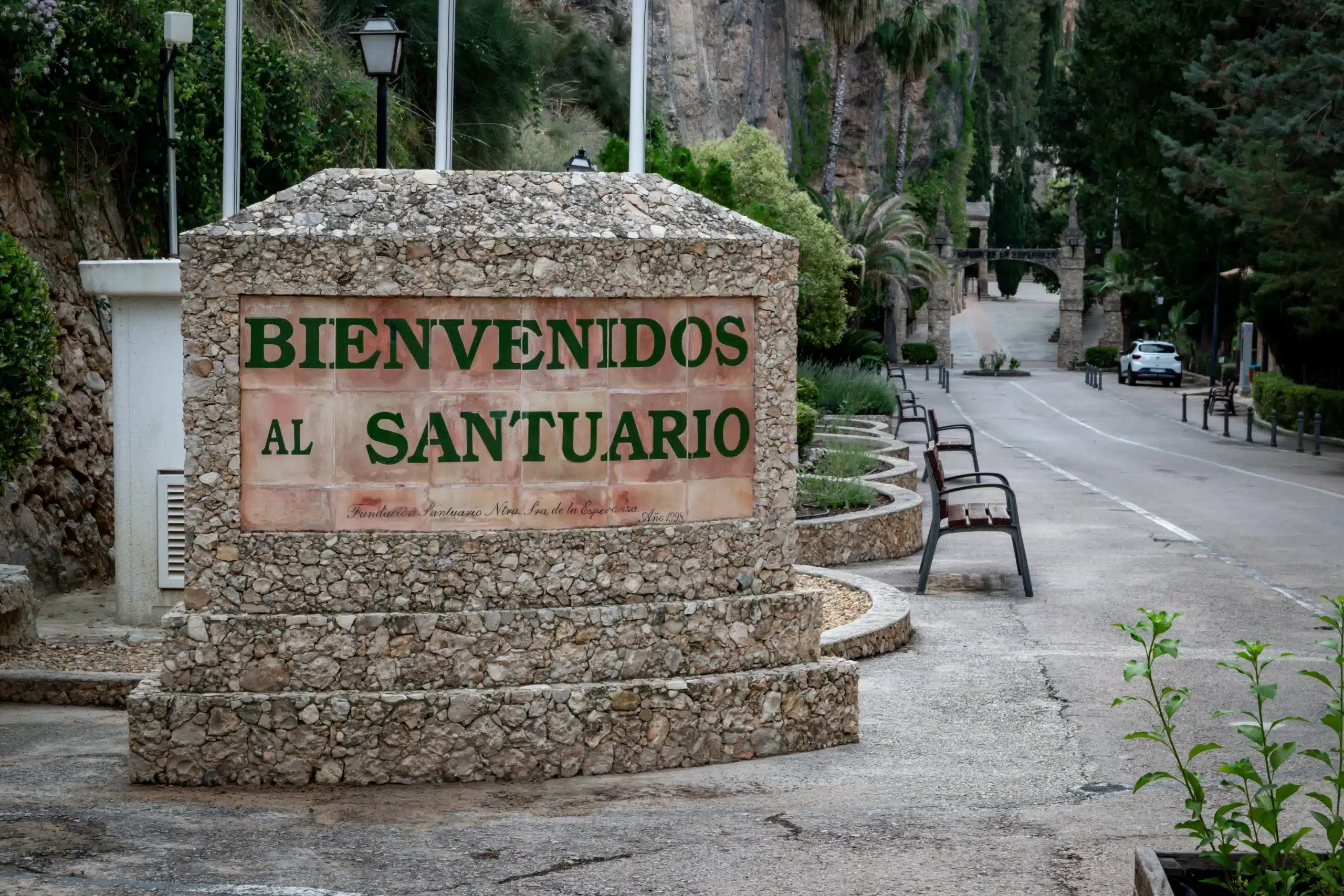
In a more serene setting, you’ll find the Sanctuary of Nuestra Señora de la Esperanza, integrated into the Cañaverosa Sotos and Riverside Forest Nature Reserve: a spot where nature and tradition blend, with local uses as linked to the territory as rice cultivation and pilgrimage.
And to complete the visit, just 9 km from the town center, the Cueva del Puerto awaits you, the great jewel of underground tourism: a 700-meter conditioned tour, with lighting and acoustic atmosphere, where you can admire spectacular formations and the Luminous Minerals Room, unique among European caves.

Calasparra preserves a historical legacy dating back to the Palaeolithic, with traces of different cultures that have shaped the area over the centuries.
One of its most valuable testimonies is the caves with rock paintings, which can be found in the Abrigos del Pozo, featuring schematic art dating from the Eneolithic and declared a UNESCO World Heritage Site. Up to ten thousand years of human presence have been documented in this enclave.
The route through its heritage continues with medieval and religious architecture: Calasparra Castle, the cistern dates from the Islamic period (13th century), with the foundations remaining under the tower. What can be seen of the Castle is from the 14th century. , donated in 1289 to the Order of St. John of Jerusalem; the Sanctuary of Nuestra Señora de la Esperanza (17th century), carved into the rock next to the Segura River; and the Parish Church of San Pedro Apóstol (16th–17th centuries), a prominent example of Murcian regional Baroque.
This tour is completed by the Encomienda Building (14th century), linked to the Order of St. John, and the Hispano-Muslim deserted settlement of Villa Vieja, a significant rural settlement in the Cora of Tudmir.

Calasparra’s festivals are a vibrant expression of tradition, devotion, and local spirit, and every year they bring together thousands of visitors.
In September, the Patron Saint Festivities of the Virgen de la Esperanza arrive, with the Pilgrimage as the main event: on the most important night, numerous pilgrims walk to the Sanctuary. During these same dates, the Rice Bullfighting Fair is also held, featuring bull runs.
During the last week of July, the festivities of San Abdón and San Senén, patron saints of farmers, are celebrated with the unmistakable atmosphere of “peñas” and the flavor of tradition, featuring “migas” and “cuerva.” Holy Week brings very special moments, such as the representation of the Arrest on Holy Wednesday and the “hornazo” snack in the countryside on Easter Sunday. And at the beginning of June, the Donation of the Town to the Order of St. John of Jerusalem is commemorated with a medieval market, parades, and historical reenactments that take the town back to another era.


Calasparra’s cultural life is rooted in historic buildings—spaces that hold centuries of memory and can now be visited and enjoyed.
The main reference is the Villa Museum, located in the Casa Granero, a neoclassical-inspired building completed in 1808, which also houses the Municipal Tourist Office. Nearby, next to the Castle, the Jota Casinello Open-Air Theater offers an outdoor stage among gardens, with summer concerts and privileged views over the town and the rice fields, as part of the tour through the old town.
Other landmarks of urban heritage, such as the Clock Tower and the Encomienda Building (14th century)—now home to the municipal music school—are also worth a visit.

Accommodation
Businesses
Gastronomy
Places
Routes
The document outlines a roadmap to boost the gastronomy, agri-food products, and wine heritage of Bullas, Calasparra, Caravaca de la Cruz, Cehegín, Moratalla, and Mula....
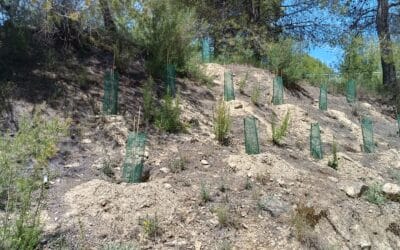
The Association of Tourism Services of the Northwest Region of Murcia has carried out a project to improve the green infrastructure of the "Ruta Verde" (Green Route),...

The Northwest Tourism Services Association continues to advance the modernization and digitalization of the tourism offerings in its member municipalities by acquiring...
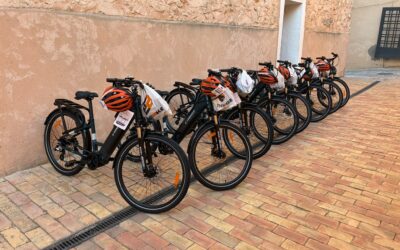
La Mancomunidad de Servicios Turísticos del Noroeste de la Región de Murcia continúa avanzando en la transformación del modelo turístico del territorio con la...

A route is a planned journey that allows you to explore different places in an organized way, whether on foot, by bike, or by vehicle. Along the way, you can discover...
PRESS RELEASE Boosting the tourism sector in Northwest Murcia through a business mentoring program funded by NextGenerationEU The Northwest Region of Murcia, under the...