







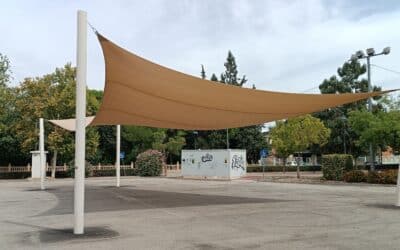
The Cehegín City Council, through the Northwest Tourism Services Association, has installed a new climate shelter in Ginés Ibáñez Park with the aim of improving comfort...


“The Town of Wonders” and Rural Wonder of Spain in 2019.
Cehegín is a land of cultures, where history, nature, and hospitality intertwine to offer an authentic and unique tourist experience.
The imprint of prehistoric peoples, Iberians, Romans, Visigoths, Arabs, and Christians has left a broad and diverse legacy, a heritage that today deserves to be fully enjoyed, with its Old Town, declared a Historic-Artistic Site in 1982, at its heart.
Come and discover the wonders of Cehegín!!!!
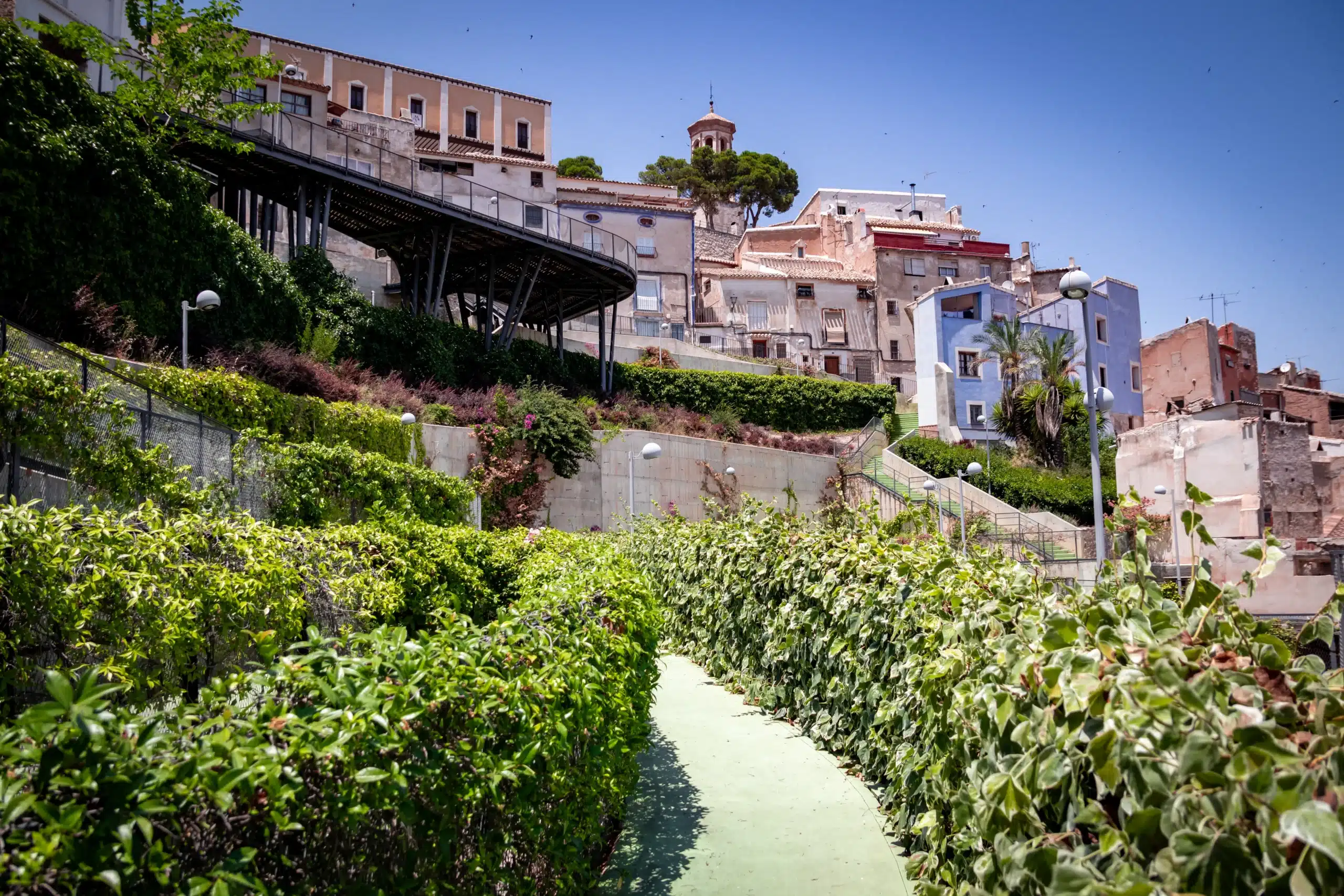
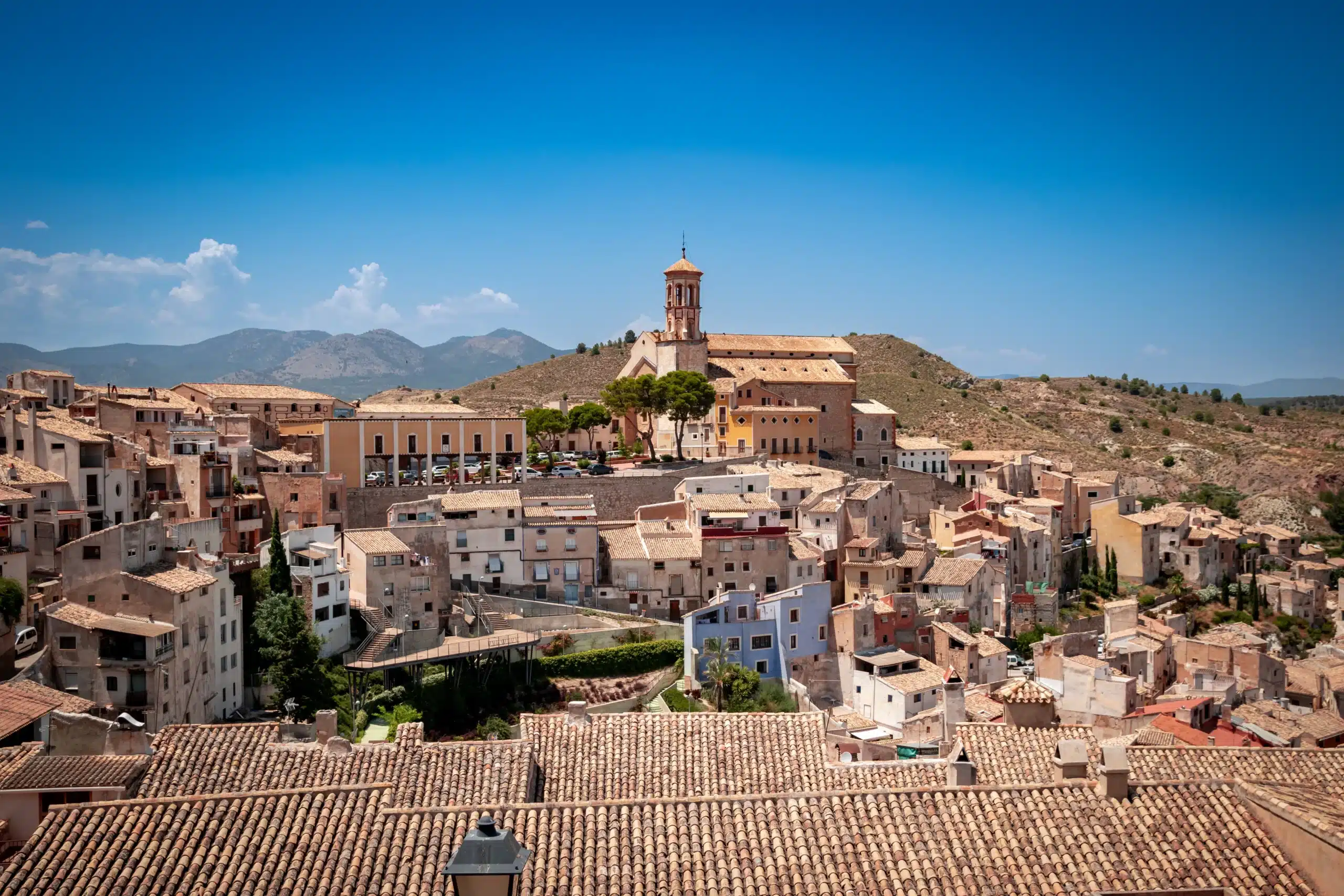
Cehegín’s history can be felt the moment you set foot in its town centre. It’s no coincidence that its Old Town was declared a Historic-Artistic Site in 1982—every street and every corner preserves the mark of centuries.
Strolling through its narrow streets is like walking through an open-air museum, with abundant popular architecture dating from the 12th to the 19th centuries. Among these facades are stately homes and palaces of great interest, such as the Palacio de Jaspe (current Town Hall, 18th-century Rococo style) or the Palacio Villar de Felices. And there’s one detail that says it all: more than 90 noble coats of arms adorn its buildings, as if the city had its memory engraved in stone.
This legacy also dates back much further. The Neolithic Cave Paintings of Peña Rubia, belonging to Levantine art, were recognized as a UNESCO World Heritage Site in 1998. To fully appreciate the site, it is highly recommended to follow the itinerary with an audio guide.


Begastri is one of the most important Late Roman and Visigothic sites in Spain: it began as an Iberian settlement, continued through the Roman era, and reached its peak when it became an episcopal see in late antiquity, on the cusp of the Middle Ages.
At its peak, the complex even had a basilica and is linked to such iconic pieces as the Monogrammatic Cross of Cehegín, now a local symbol.
Begastri is a living testament to the civilizations that inhabited the region, and the archaeological park can be visited on weekends, with morning passes.

Cehegín lives its festivals with a special energy: celebrations where devotion, orchard traditions and street life come together, turning the local calendar into a true expression of identity.
The Patron Saint Festivities in honor of the Virgen de las Maravillas are celebrated in September and fill the Fairgrounds with ‘barracas’ (traditional tents), concerts, and activities for all ages. Among the most anticipated days are September 10th, the Day of the Patron Saint, and the Day of the ‘Huertanos’ (gardeners), with rice tastings and musical events.
Throughout the year, the municipality also maintains other beloved festivities, such as Holy Week (for the splendor of its processions and the setting of the Old Town), Carnival (with its traditional ‘Martes de Mascarón’ and ‘Noche del Reventón’, in addition to ‘Sábado de Piñata’), the San Isidro Festivities, with pilgrimages, ‘migas’ (traditional dish), and a parade of floats distributing typical snacks, and the Bonfires of San Sebastián, celebrated with a nocturnal pilgrimage to the Plaza del Castillo by torchlight.


For hikers and nature lovers, Cehegín offers a very diverse landscape, shaped by ranges such as Sierra de Lavia and Sierra de Burete, and by natural areas of high ecological value. Part of this environment is included in the Natura 2000 Network, with areas such as the Quípar River recognised as a Site of Community Importance (SCI).
And for walking or cycling at an easy pace, the Northwest Greenway is a sure bet: a route of around 78 km along the old railway line, linking Cehegín with Caravaca de la Cruz and connecting with the Camino de Levante. For a more complete outdoor plan, the Active Tourism Park “El Coto de las Maravillas” offers a natural space designed for recreational and educational activities.

Cehegín’s heritage is best discovered on foot: historic churches, convents with centuries of devotion, and museums that help you understand the municipality’s past.
Among its most emblematic spaces, the Sanctuary of the Virgen de las Maravillas stands out, also known as the Franciscan Convent of San Esteban, declared a National Monument and home to the Patron Saint since 1725, featuring a distinct Murcian Baroque style. At the highest point of the old town is the Church of La Concepción, recognized as a National Monument in 1980 for preserving an exceptional polychrome Mudejar coffered ceiling.
The tour is completed with other essential temples such as the Church of Santa María Magdalena, a Renaissance prototype linked to the Jacobean tradition, and the Church of La Soledad, declared a Historic-Artistic Monument in 1982.
Regarding cultural offerings, the Municipal Archaeological Museum proposes a journey from the Neolithic to the Modern Age through 12 rooms spread across three historic buildings, including the Palacio de los Fajardo, in the Plaza del Castillo.
And to learn about the life and customs of other eras, the Palacio de los Duques de Ahumada is the perfect option to get a little closer to those times.
To top it off, the Bullring (from 1901) and the Ruins of the Hermitage of San Sebastián, now converted into a charming viewpoint, are worth a visit.

Cehegín’s entrepreneurial spirit makes sense when you look at its traditions: an industrial past linked to hemp and the craftsmanship of espadrille makers, and a present that continues to value local trades and products. This heritage remains especially alive in the pottery of Valentín, known as the “valley of clay”, where the making of bricks, tiles and roof tiles still respects traditional processes.
And to experience it firsthand, you will almost always find highly recommended active markets such as Mercado Los Caños, a contemporary format that blends traditional and alternative crafts with food, music, and workshops.
On top of all that, there’s a strong wine culture: the Wine School, located in the cellars of the Casa de la Tercia (a former 17th-century winery), offers tastings and activities to bring you closer to Cehegín’s winemaking tradition.

Accommodation
Businesses
Gastronomy
Places
Routes
Accommodation
Businesses
Gastronomy
Places
Routes
The Cehegín City Council, through the Northwest Tourism Services Association, has installed a new climate shelter in Ginés Ibáñez Park with the aim of improving comfort...
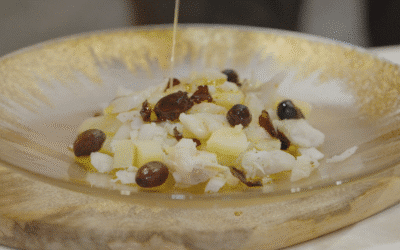
The document outlines a roadmap to boost the gastronomy, agri-food products, and wine heritage of Bullas, Calasparra, Caravaca de la Cruz, Cehegín, Moratalla, and Mula....

The Northwest Tourism Services Association continues to advance the modernization and digitalization of the tourism offerings in its member municipalities by acquiring...
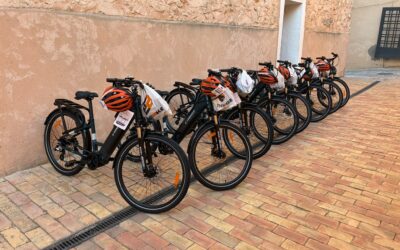
La Mancomunidad de Servicios Turísticos del Noroeste de la Región de Murcia continúa avanzando en la transformación del modelo turístico del territorio con la...
PRESS RELEASE Boosting the tourism sector in Northwest Murcia through a business mentoring program funded by NextGenerationEU The Northwest Region of Murcia, under the...

The Cehegín City Council, in collaboration with the Directorate-General for Natural Heritage and Climate Action, has carried out cleaning and restoration work at the...